

Working alarms are the cheapest safety upgrade in any home. These are our picks for battery, hardwired and plug-in smoke and carbon monoxide alarms, plus a combo alarm with wireless interconnect.
HannahRev is reader-supported. When you buy through our links we may earn a commission, at no extra cost to you. Our picks are based on published specifications, hands-on reviews from trusted testers and owner feedback.
Our picks at a glance
| Product | Best for | Price | Detects | Power |
|---|---|---|---|---|
| X-Sense SC07-W | Best combo with wireless interconnect | $50 | Smoke + CO | 10-year sealed battery |
| First Alert SMICO100 | Best battery combo | $45 | Smoke + CO | 10-year sealed battery |
| First Alert SMCO100V-AC (3-pack) | Best hardwired combo | $160 | Smoke + CO | Hardwired with battery backup |
| Kidde Hardwired Smoke Alarm | Easiest battery changes | $55 | Smoke | Hardwired with battery backup |
| First Alert Precision Detection Hardwired | Fewer false alarms | $65 | Smoke | Hardwired with battery backup |
| First Alert SC5 | Best smart alarm | $135 | Smoke + CO | Battery (hardwired version available) |
| First Alert CO600 | Best plug-in CO alarm | $30 | CO | Plug-in with battery backup |
| Kidde Nighthawk CO Alarm | Best CO alarm with display | $70 | CO | Plug-in with 9V backup |
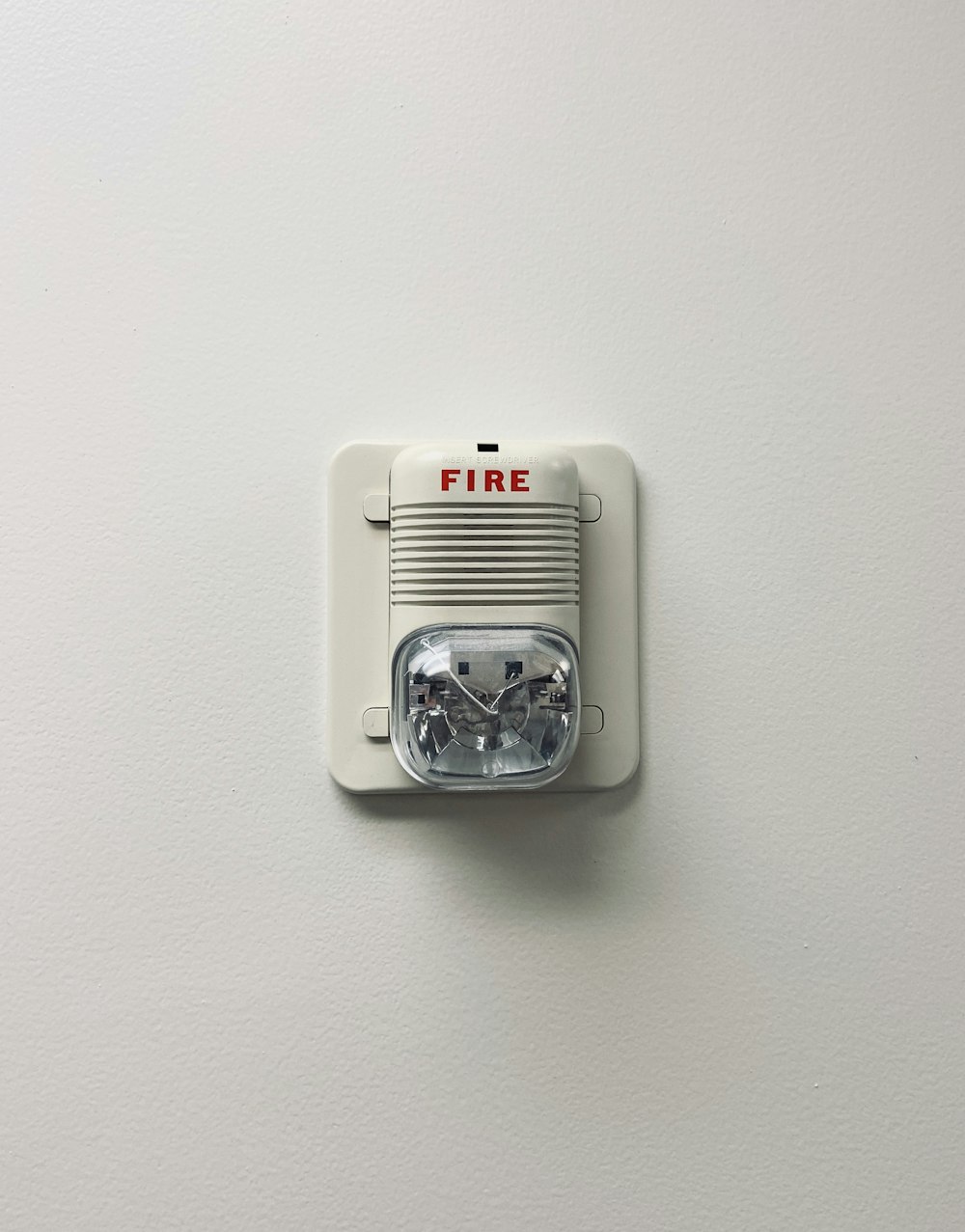
1. X-Sense SC07-W — Best combo with wireless interconnect
A combination alarm that links wirelessly with others, so every alarm sounds at once without running new wires.
Specs: Detects: Smoke + CO · Power: 10-year sealed battery · Sensors: Photoelectric + electrochemical · List price: $50
Pros:
- Smoke and CO in one unit
- Links wirelessly with up to 24 alarms
Cons:
- No app
2. First Alert SMICO100 — Best battery combo
A simple, sealed-battery combo alarm for bedrooms and hallways.
Specs: Detects: Smoke + CO · Power: 10-year sealed battery · List price: $45
Pros:
- No battery swaps for a decade
- Two hazards, one device
Cons:
- No voice alerts

3. First Alert SMCO100V-AC (3-pack) — Best hardwired combo
A hardwired replacement that tells you whether it’s smoke or CO and where, which speeds up your response.
Specs: Detects: Smoke + CO · Power: Hardwired with battery backup · List price: $160
Pros:
- Voice alerts say what and where
- Covers smoke and CO
Cons:
- Needs existing wiring
4. Kidde Hardwired Smoke Alarm — Easiest battery changes
A dependable hardwired smoke alarm with a battery door you can reach without taking it off the ceiling.
Specs: Detects: Smoke · Power: Hardwired with battery backup · List price: $55
Pros:
- Front-load battery door
- Interconnects with other Kidde alarms
Cons:
- No voice alerts
5. First Alert Precision Detection Hardwired — Fewer false alarms
A good choice near kitchens, where nuisance alarms tempt people to pull batteries.
Specs: Detects: Smoke · Power: Hardwired with battery backup · Sensors: Photoelectric + ionization · List price: $65
Pros:
- Designed to cut cooking nuisance alarms
- Dual sensing
Cons:
- No CO detection
6. First Alert SC5 — Best smart alarm
A connected combo alarm that alerts your phone when you’re away from home.
Specs: Detects: Smoke + CO · Power: Battery (hardwired version available) · List price: $135
Pros:
- Voice and phone alerts
- Works with smart-home apps
Cons:
- Battery needs replacing
7. First Alert CO600 — Best plug-in CO alarm
Plug it into an outlet near bedrooms or fuel-burning appliances. It’s a simple, inexpensive way to add CO protection.
Specs: Detects: CO · Power: Plug-in with battery backup · List price: $30
Pros:
- One-button simplicity
- Battery backup
Cons:
- CO only
8. Kidde Nighthawk CO Alarm — Best CO alarm with display
The display shows CO levels, so you can spot a slow leak before it reaches alarm level.
Specs: Detects: CO · Power: Plug-in with 9V backup · List price: $70
Pros:
- Digital CO level display
- Affordable
Cons:
- No smart-home support
Want the full background first? Read our smoke and CO alarm guide.
How to choose smoke and co alarms
Smoke and CO
Smoke alarms detect fire; carbon monoxide alarms detect an invisible, odorless gas. You need both, either as separate units or combination alarms.
Sensor type
Photoelectric sensors respond faster to smoldering fires; ionization to fast-flaming fires. Dual-sensor or combination units cover both.
Power
Sealed 10-year batteries mean no battery chirps. Hardwired alarms connect to home power, usually with battery backup.
Interconnect
Interconnected alarms all sound when one detects danger, which is important in multi-story homes.
FAQ
How often should I replace smoke alarms?
Replace smoke alarms every 10 years and test them monthly. CO alarms typically last 5–10 years; check the label.
Where should alarms go?
Inside each bedroom, outside each sleeping area and on every level, including the basement. Follow the manufacturer’s instructions and local code.
Leave a Reply