
Reader-supported: we may earn a commission when you buy through our links. Learn more

Category: Air & Energy

  • Buying an Energy-Efficient TV: How to Read the Labels

    Buying an Energy-Efficient TV: How to Read the Labels

    Key takeaways

    • ENERGY STAR certified TVs are on average about 34% more efficient than conventional models.
    • The yellow EnergyGuide label shows a TV’s estimated yearly energy cost and the range for similar sizes.
    • Certified TVs must use 0.5 W or less in sleep mode.

    What ENERGY STAR certification covers

    ~34%

    Average efficiency gain of certified TVs vs. conventional models[1]

    ≤ 0.5 W

    Maximum sleep-mode power for certified TVs[1]

    Up to 70%

    Efficiency gain for certified sound bars[1]

    Certification looks at every operating mode. On-mode power limits scale with screen area, so a bigger certified TV is allowed to use more power, but less than a comparable conventional set.[1]

    The yellow EnergyGuide label

    TVs are among the products that carry the FTC’s yellow EnergyGuide label. It shows the model’s estimated yearly energy cost in dollars, and where that falls in the range for comparable models.[2,3]

    The FTC updated the comparison ranges in 2024 and now uses an electricity rate of 16 cents per kilowatt-hour. As examples, 24- to 29-inch TVs range from about $5 to $15 a year, and screens 69.5 inches and larger range from about $32 to $155 a year.[3]

    What to look for when you shop

    • Compare the EnergyGuide dollar figure between the models on your shortlist, not just the screen size and price.[2]
    • Look for the ENERGY STAR mark on the TV and on any sound bar you add.[1]
    • Once it’s home, a lower picture-brightness setting in a dim room usually trims power use further.

    TV energy check

    • ENERGY STAR certified
    • EnergyGuide yearly cost compared across your shortlist
    • Sound bar also ENERGY STAR certified
    • Brightness set for your room, not the showroom

    Sources

    Every figure in this guide comes from the official sources below. We summarize them in our own words; check the source for the full guidance.

    1. 1TelevisionsENERGY STAR (U.S. EPA)
    2. 2How To Use the EnergyGuide Label To Shop for Home AppliancesFederal Trade Commission
    3. 3New energy cost comparisons for TVs: What’s going on behind the screens?Federal Trade Commission

    This guide is general consumer information, not medical, legal or professional advice. Always follow the manufacturer’s instructions for your product. See our editorial policy and affiliate disclosure.

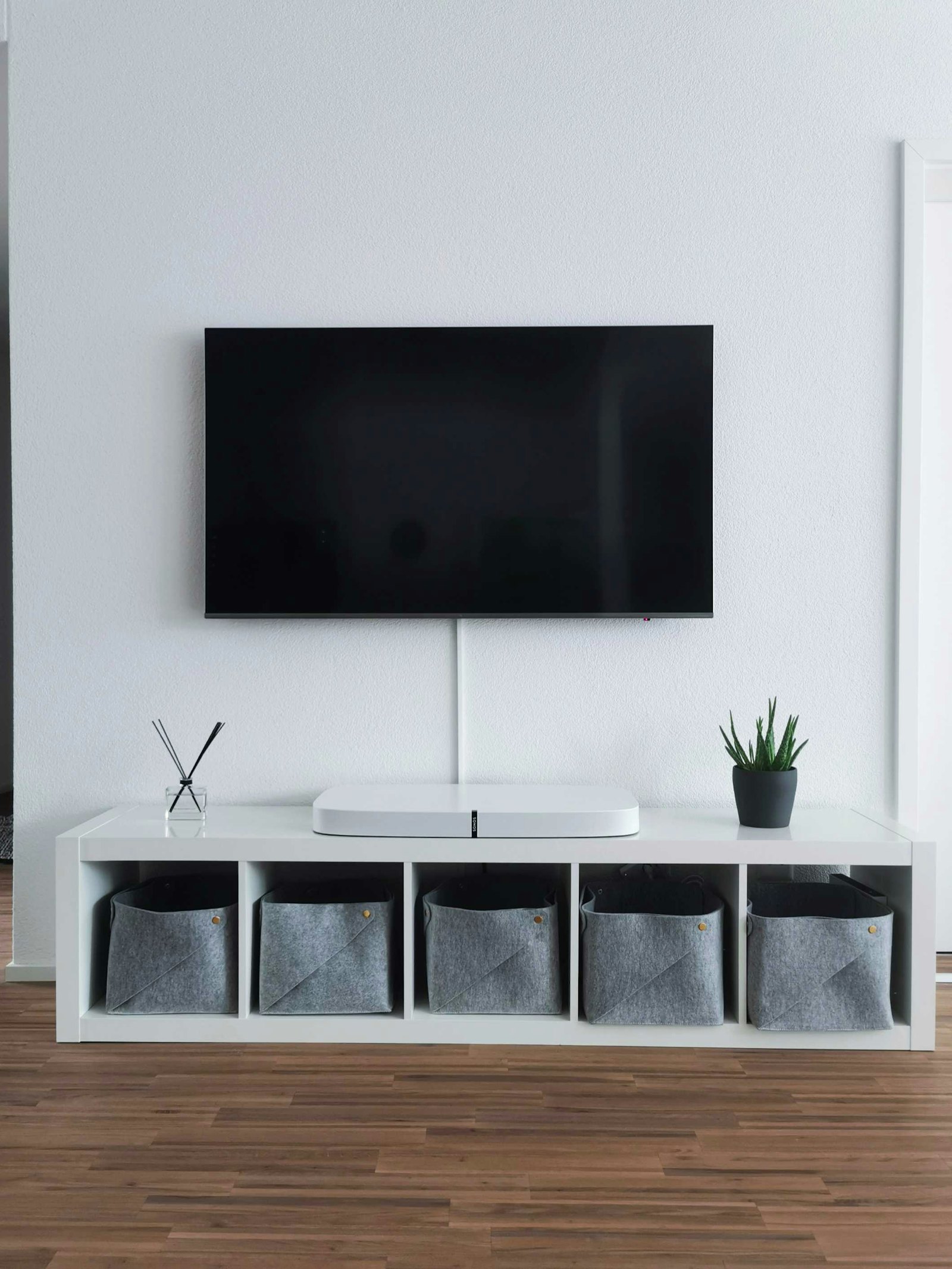
    Photo: Dario on Unsplash

  • Air Purifier Buying Guide: CADR, Room Size and What to Avoid

    Air Purifier Buying Guide: CADR, Room Size and What to Avoid

    Key takeaways

    • Match the clean air delivery rate (CADR) to your room: EPA’s table works out to about two-thirds of the room’s square footage.
    • Avoid ozone generators; no federal agency has approved them for occupied spaces.
    • ENERGY STAR certification means lower running costs, not better cleaning.

    Size it with CADR

    CADR, the clean air delivery rate, is the figure designed to help you match a portable air cleaner to a room. A higher CADR moves more filtered air. The EPA publishes minimum CADR values for particles by room size.[1]

    EPA minimum CADR for particles by room size (8-ft ceilings)[1]
    Room area (sq ft) Minimum CADR (cfm)
    100 65
    200 130
    300 195
    400 260
    500 325
    600 390

    Filters and what to skip

    Portable units often reach high CADRs by using HEPA filters. Filters need to be replaced on schedule to keep performing, so check the cost and availability of replacements before you buy.[1]

    If your home has central heating and air conditioning, the EPA suggests using a MERV 13 filter, or the highest rating your system can handle.[1]

    What the ENERGY STAR label means here

    ENERGY STAR measures efficiency, not cleaning power. Certified room air cleaners are more than 50% more energy-efficient than standard models, which the program estimates can save about $18 to $40 a year depending on size. Certified models must also keep measured ozone at or below 50 parts per billion.[2,3]

    > 50%

    More energy-efficient than standard models (ENERGY STAR)[2]

    $18–$40

    Estimated yearly savings, by unit size[2]

    ≤ 50 ppb

    Ozone limit for certified models[3]

    Air purifier checklist

    • CADR at least about 2/3 of the room’s square feet
    • HEPA filter, with affordable replacements
    • No intentional ozone generation
    • ENERGY STAR certified for lower running costs
    • Quiet enough at the speed you’ll actually use

    Sources

    Every figure in this guide comes from the official sources below. We summarize them in our own words; check the source for the full guidance.

    1. 1Guide to Air Cleaners in the HomeU.S. Environmental Protection Agency
    2. 2Air CleanersENERGY STAR (U.S. EPA)
    3. 3Room Air Cleaners: Key Product CriteriaENERGY STAR (U.S. EPA)

    This guide is general consumer information, not medical, legal or professional advice. Always follow the manufacturer’s instructions for your product. See our editorial policy and affiliate disclosure.

    Photo: Minh Pham on Unsplash