Reader-supported: we may earn a commission when you buy through our links. Learn more

Category: Outdoor & Camping

  • The Best Men’s Sandals of 2026

    The Best Men’s Sandals of 2026

    The right sandal can take you from river crossings to dinner downtown. We picked the best men’s sandals for hiking, water, travel and recovery.

    HannahRev is reader-supported. When you buy through our links we may earn a commission, at no extra cost to you. Our picks are based on published specifications, hands-on reviews from trusted testers and owner feedback.

    Our picks at a glance

    Product Best for Price Type
    Birkenstock Arizona Soft Footbed Best casual sandal $155 Open toe
    Teva Original Universal Best value $65 Open toe
    Chaco Z/2 Classic Best adventure sandal $95 Open toe
    Bedrock Cairn Evo Best barefoot feel $115 Open toe
    Keen Newport H2 Best toe protection $130 Closed toe
    Hoka Ora Recovery Slide 3 Best recovery sandal $60 Slide
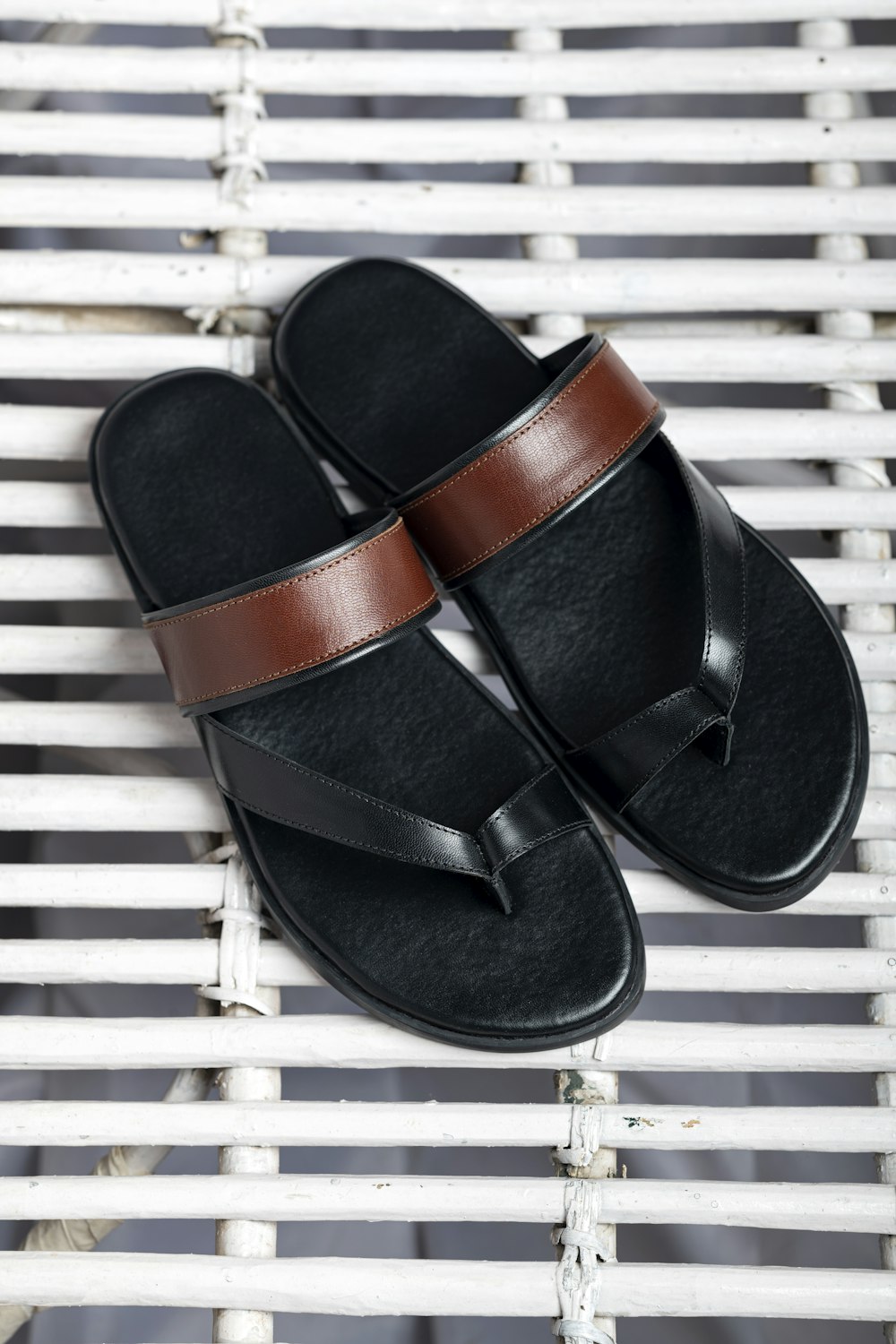
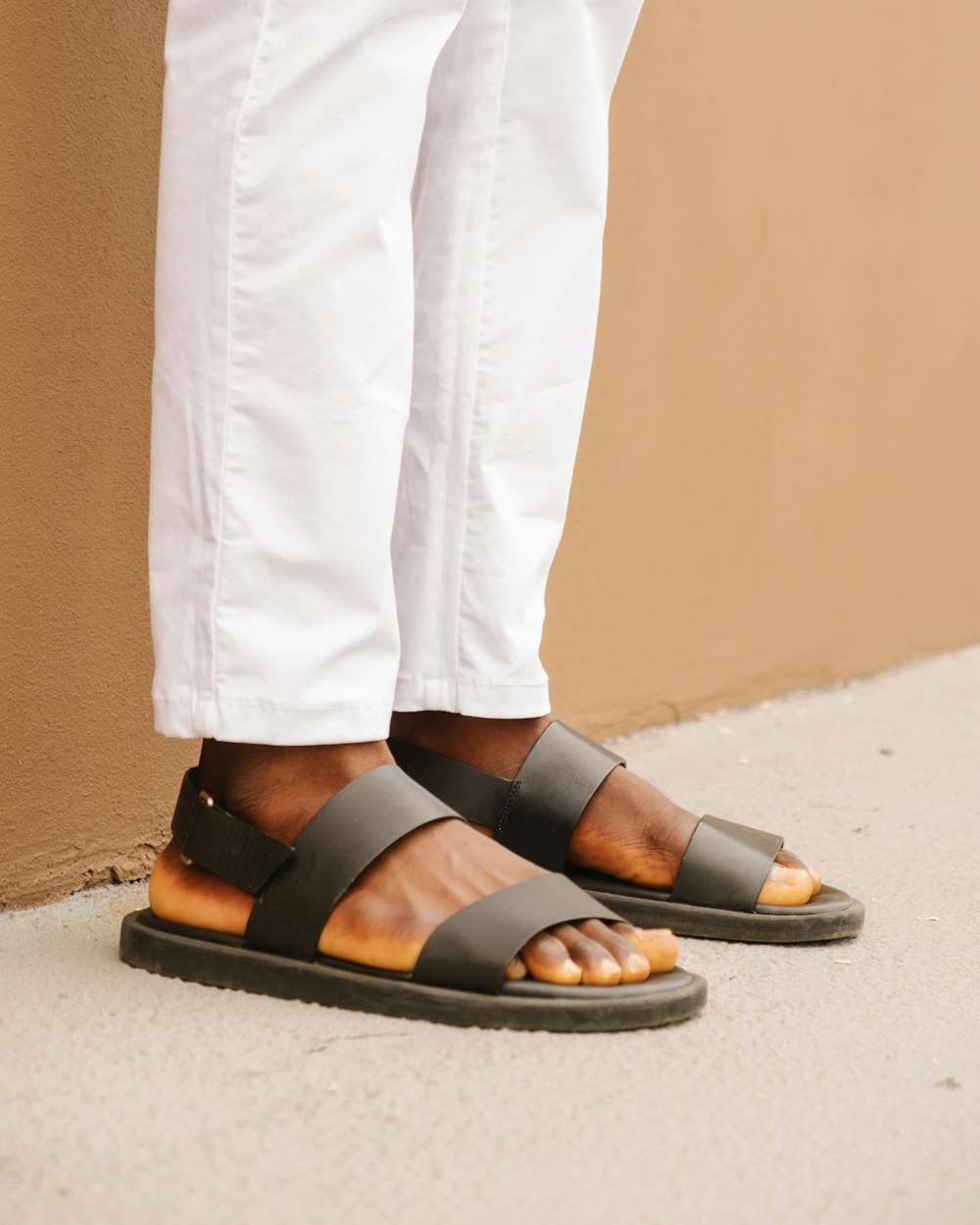
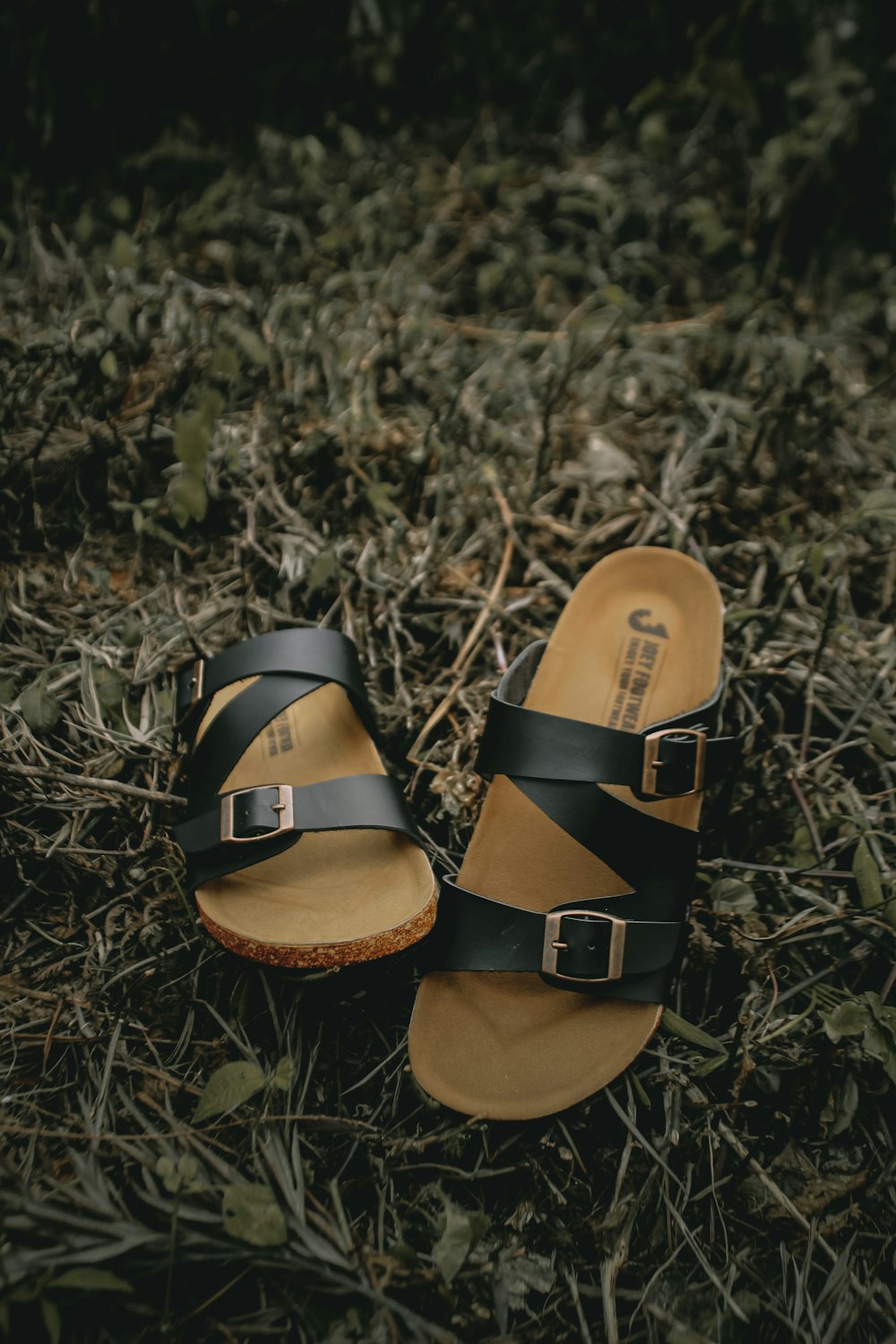
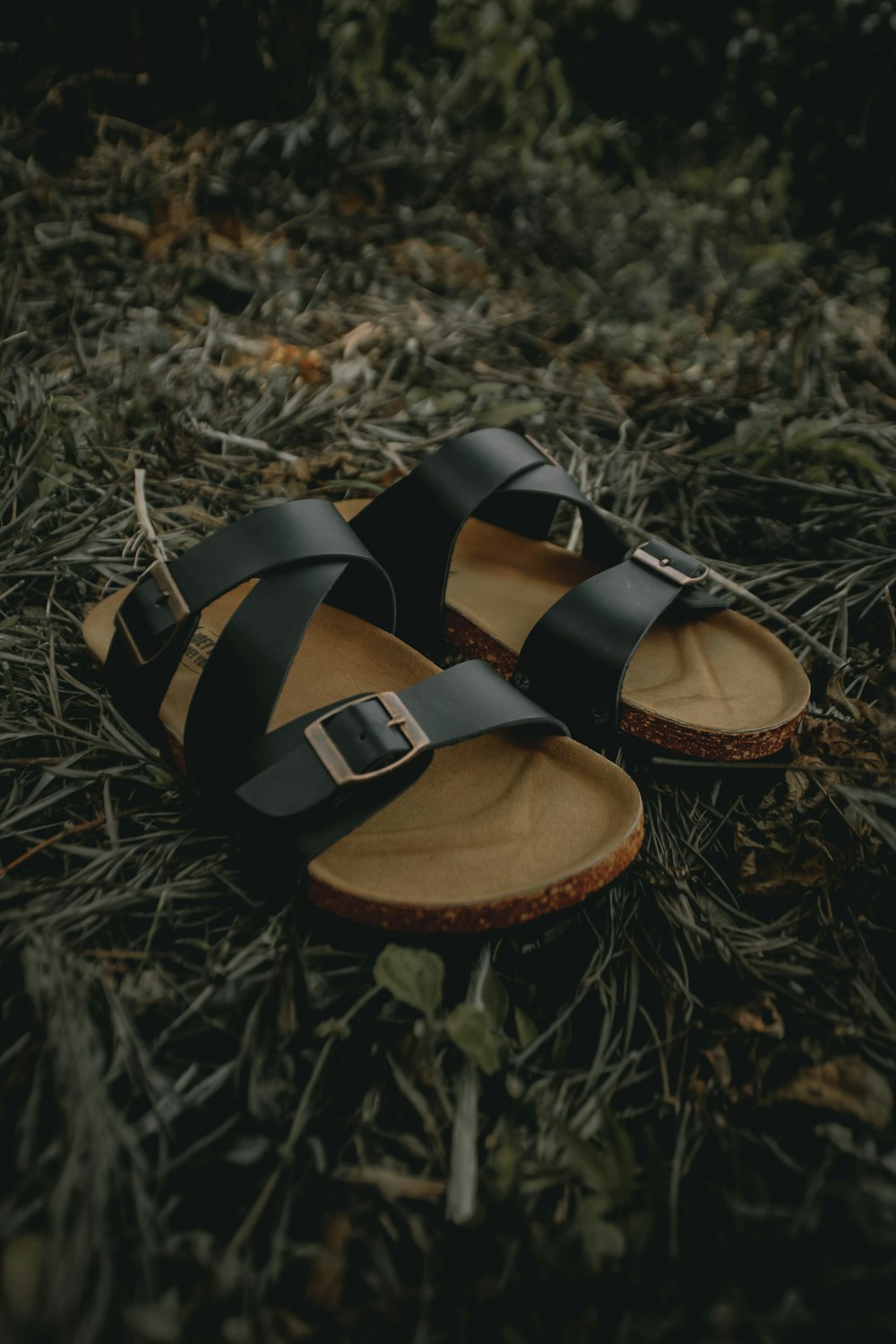
    Birkenstock Arizona Soft Footbed

    1. Birkenstock Arizona Soft Footbed — Best casual sandal

    The two-strap classic, with an extra layer of foam for comfort. It’s an all-day sandal for travel and town.

    Specs: Type: Open toe · List price: $155

    Pros:

    • Cushioned, supportive cork footbed
    • Classic look

    Cons:

    • Break-in period
    Teva Original Universal

    2. Teva Original Universal — Best value

    The sandal that started it all. It’s light and simple, and perfect for beaches and festivals.

    Specs: Type: Open toe · List price: $65

    Pros:

    • Easy to adjust
    • Slip on and go

    Cons:

    • Little arch support
    Chaco Z/2 Classic

    3. Chaco Z/2 Classic — Best adventure sandal

    A burly sandal built for rivers and trails. The adjustable strap system gives a locked-in fit.

    Specs: Type: Open toe · List price: $95

    Pros:

    • Thick, supportive sole
    • Grippy outsole
    • Toe loop locks your foot in place

    Cons:

    • Heavy
    Bedrock Cairn Evo

    4. Bedrock Cairn Evo — Best barefoot feel

    A thin, flexible sandal with serious grip. It suits minimalist runners and canyoneers.

    Specs: Type: Open toe · List price: $115

    Pros:

    • Comfortable straps
    • Aggressive tread

    Cons:

    • Firm sole
    Keen Newport H2

    5. Keen Newport H2 — Best toe protection

    A hybrid sandal-shoe with a protective toe cap. It’s ideal for kayaking, creek walks and rocky trails.

    Specs: Type: Closed toe · List price: $130

    Pros:

    • Great support and traction
    • Water-ready

    Cons:

    • Limited adjustment
    Hoka Ora Recovery Slide 3

    6. Hoka Ora Recovery Slide 3 — Best recovery sandal

    A pillowy slide for after a long run or hike. Your feet will thank you.

    Specs: Type: Slide · List price: $60

    Pros:

    • Thick, soft cushioning
    • Very light

    Cons:

    • Not adjustable

    How to choose men’s sandals

    Open or closed toe

    Open-toe sandals drain and breathe best. Closed-toe models protect your toes on rocky trails, but can collect sand.

    Footbed and arch

    Flat feet usually prefer flatter footbeds. High arches benefit from contoured footbeds with arch support.

    Traction

    For wet rocks and riverbeds, look for sticky rubber outsoles with deep lugs.

    Adjustability

    Multiple adjustable straps help narrow or wide feet get a secure fit.

    FAQ

    Can you hike in sandals?

    Yes, on moderate trails. Choose a sandal with a firm sole, good traction and secure straps.

    Do Birkenstocks need breaking in?

    Cork footbeds mold to your feet over a week or two of wear.
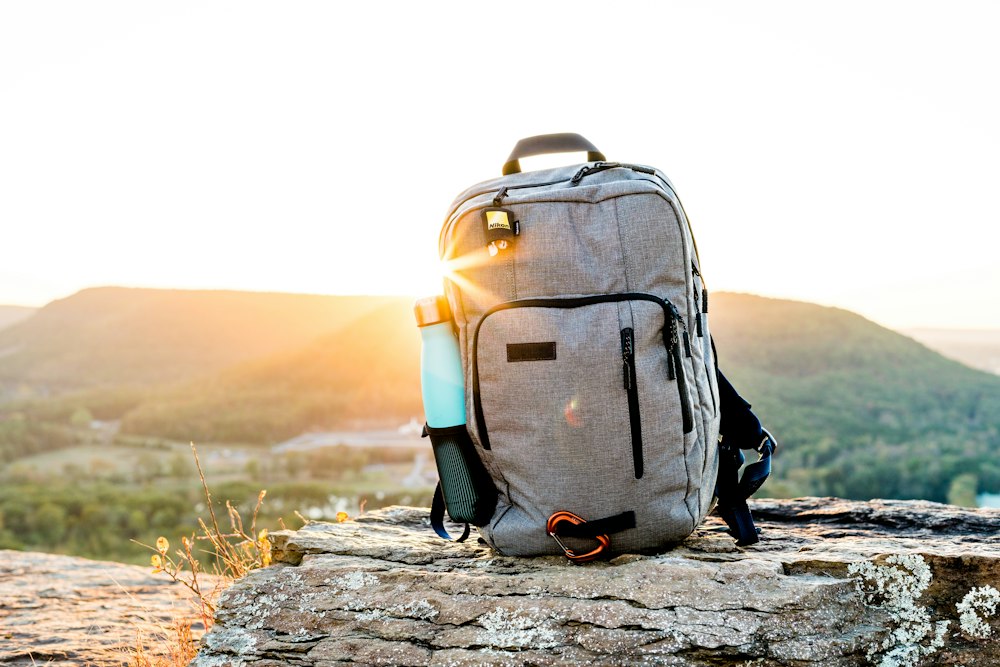
  • The Best Travel Backpacks of 2026

    The Best Travel Backpacks of 2026

    A carry-on travel backpack lets you skip checked bags and move through airports and cobblestones without dragging a roller. We picked the best for one-bag travel, business trips, photographers and overpackers.

    HannahRev is reader-supported. When you buy through our links we may earn a commission, at no extra cost to you. Our picks are based on published specifications, hands-on reviews from trusted testers and owner feedback.

    Our picks at a glance

    Product Best for Price Capacity Loading
    Cotopaxi Allpa 35L Best overall $230 35 L Top entry with zip compartments
    Aer Travel Pack 3 Best for organization $249 35 L Clamshell + admin panel
    tomtoc Navigator T66 40L Best value $96 40 L Clamshell
    Patagonia Black Hole MLC 45L Best for overpackers $249 45 L Clamshell + electronics panel
    Osprey Farpoint Fairview Wheeled 36L Best hybrid roller $330 36 L Roller / backpack
    Tortuga Travel Backpack Pro 40L Best for work trips $350 40 L Clamshell + admin panel
    Peak Design Travel Backpack 45L Best for photographers $300 45 L Clamshell + side access
    Osprey Farpoint 40 Most comfortable $200 40 L Clamshell
    Cotopaxi Allpa 35L

    1. Cotopaxi Allpa 35L — Best overall

    A tough, colorful pack that’s easy to live out of. It’s a great one-bag choice for long trips.

    Specs: Capacity: 35 L · Loading: Top entry with zip compartments · List price: $230

    Pros:

    • Simple, well-thought-out layout
    • Rugged fabrics

    Cons:

    • Less comfortable with heavy loads
    Aer Travel Pack 3

    2. Aer Travel Pack 3 — Best for organization

    A clean, city-friendly look with excellent internal organization. It suits business travelers and digital nomads.

    Specs: Capacity: 35 L · Loading: Clamshell + admin panel · List price: $249

    Pros:

    • Pockets for everything
    • Large laptop sleeve

    Cons:

    • Hip belt sold separately
    tomtoc Navigator T66 40L

    3. tomtoc Navigator T66 40L — Best value

    A budget travel pack with a big main compartment. It’s a smart pick for occasional travelers.

    Specs: Capacity: 40 L · Loading: Clamshell · List price: $96

    Pros:

    • Affordable
    • Plenty of room

    Cons:

    • No hip belt
    Patagonia Black Hole MLC 45L

    4. Patagonia Black Hole MLC 45L — Best for overpackers

    A briefcase, backpack and duffel in one. It’s ideal for people who pack heavy.

    Specs: Capacity: 45 L · Loading: Clamshell + electronics panel · List price: $249

    Pros:

    • Maximum carry-on capacity
    • Big electronics pocket

    Cons:

    • Too big for some airlines
    Osprey Farpoint Fairview Wheeled 36L

    5. Osprey Farpoint Fairview Wheeled 36L — Best hybrid roller

    Wheels for airports, straps for stairs and cobblestones. It’s a good fit for travelers who want both.

    Specs: Capacity: 36 L · Loading: Roller / backpack · List price: $330

    Pros:

    • Rolls or carries
    • Smooth wheels

    Cons:

    • No laptop sleeve
    Tortuga Travel Backpack Pro 40L

    6. Tortuga Travel Backpack Pro 40L — Best for work trips

    A suitcase-style backpack with an excellent harness. It’s great for business travel and long walks between trains.

    Specs: Capacity: 40 L · Loading: Clamshell + admin panel · List price: $350

    Pros:

    • Big, padded hip belt
    • Very comfortable

    Cons:

    • Premium price
    Peak Design Travel Backpack 45L

    7. Peak Design Travel Backpack 45L — Best for photographers

    An expandable pack designed around camera gear. Pair it with Peak Design’s cubes for a modular setup.
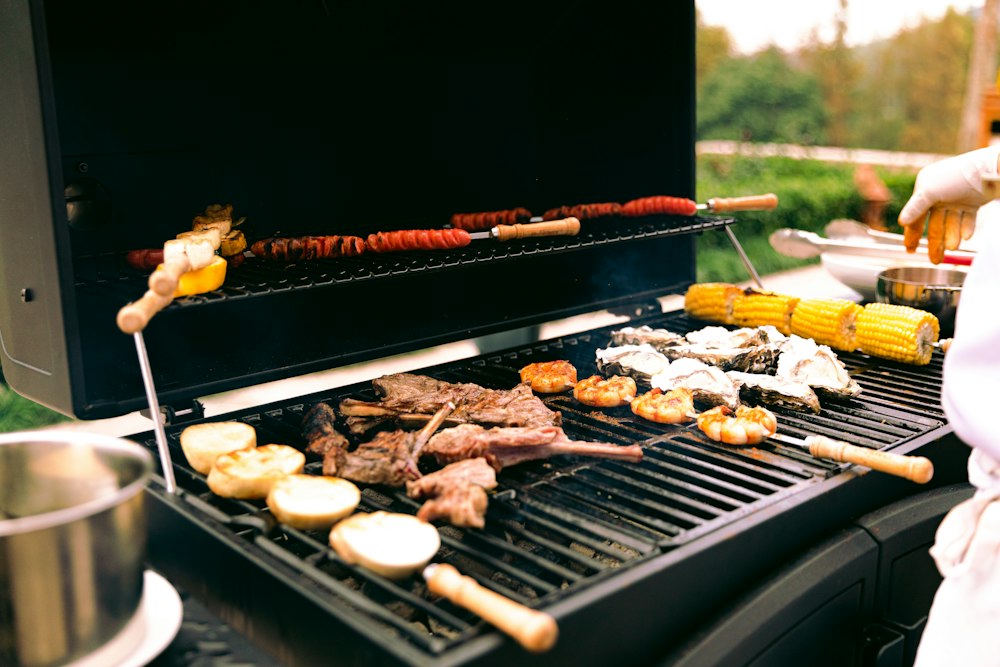
    Specs: Capacity: 45 L · Loading: Clamshell + side access · List price: $300

    Pros:

    • Built for camera cubes
    • Protective materials

    Cons:

    • Camera dividers cost extra
    Osprey Farpoint 40

    8. Osprey Farpoint 40 — Most comfortable

    Osprey’s backpacking know-how shows in the harness. It’s the most comfortable pack here for long walks.

    Specs: Capacity: 40 L · Loading: Clamshell · List price: $200

    Pros:

    • Excellent harness for heavy loads
    • Stowable straps

    Cons:

    • Few organizer pockets

    How to choose travel backpacks

    Capacity and airline limits

    30–45 L covers a weekend to a week. Airline carry-on limits vary; soft packs can often compress a little, but check your airline first.

    Clamshell vs. top-loading

    Clamshell packs open like a suitcase for easy packing. Top-loaders are lighter and simpler.

    Suspension

    A hip belt and load lifters make a big difference when you’re walking with a full pack.

    Organization

    Look for a separate laptop sleeve against your back and a front admin pocket for passports and cables.

    FAQ

    What size backpack is carry-on?

    Many U.S. carriers allow about 22 × 14 × 9 in. Budget European airlines can be much stricter, so measure before you fly.

    Are travel backpacks waterproof?

    Most are water-resistant. Use a rain cover or packing cubes if you expect heavy rain.

  • The Best Pocket Knives of 2026

    The Best Pocket Knives of 2026

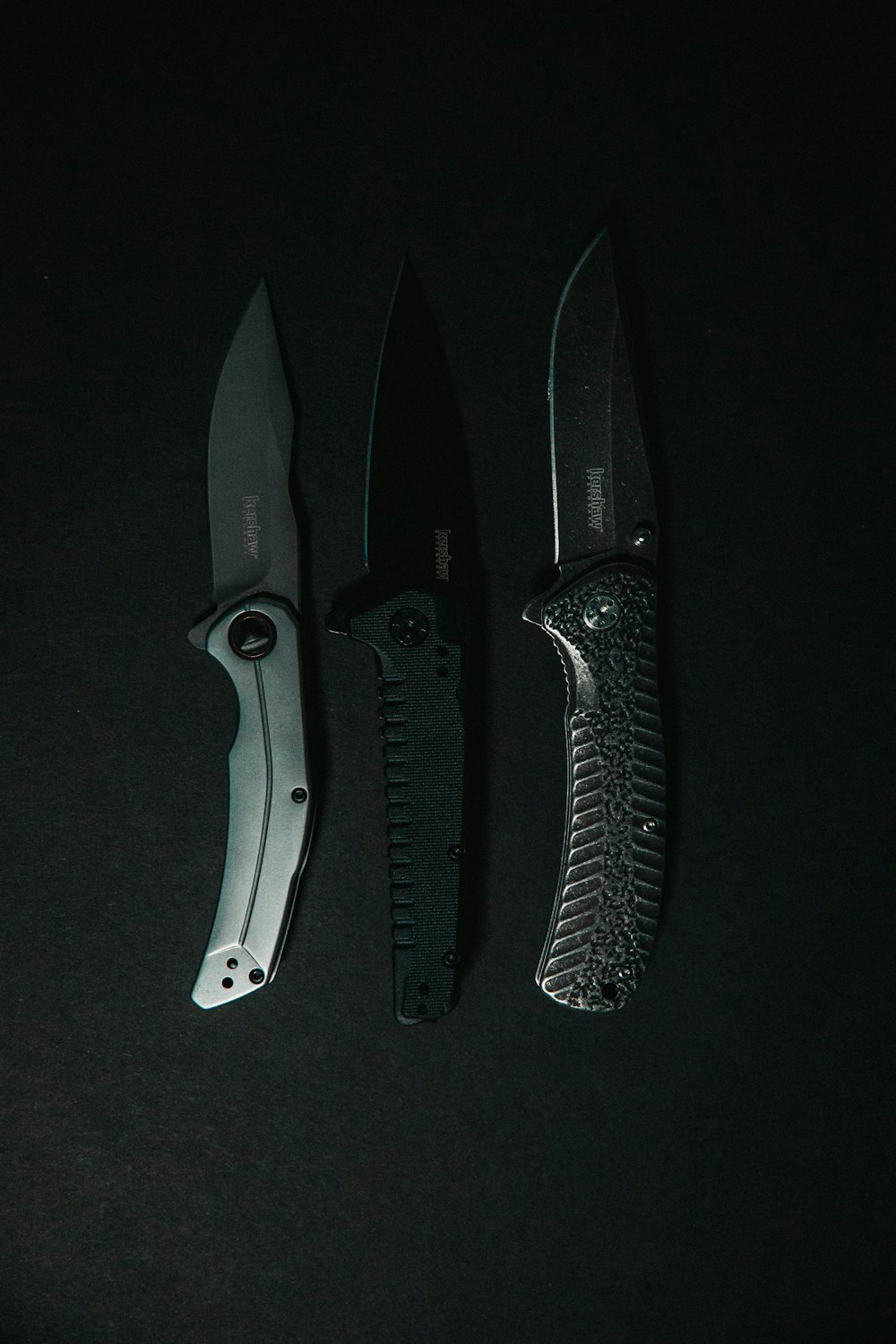
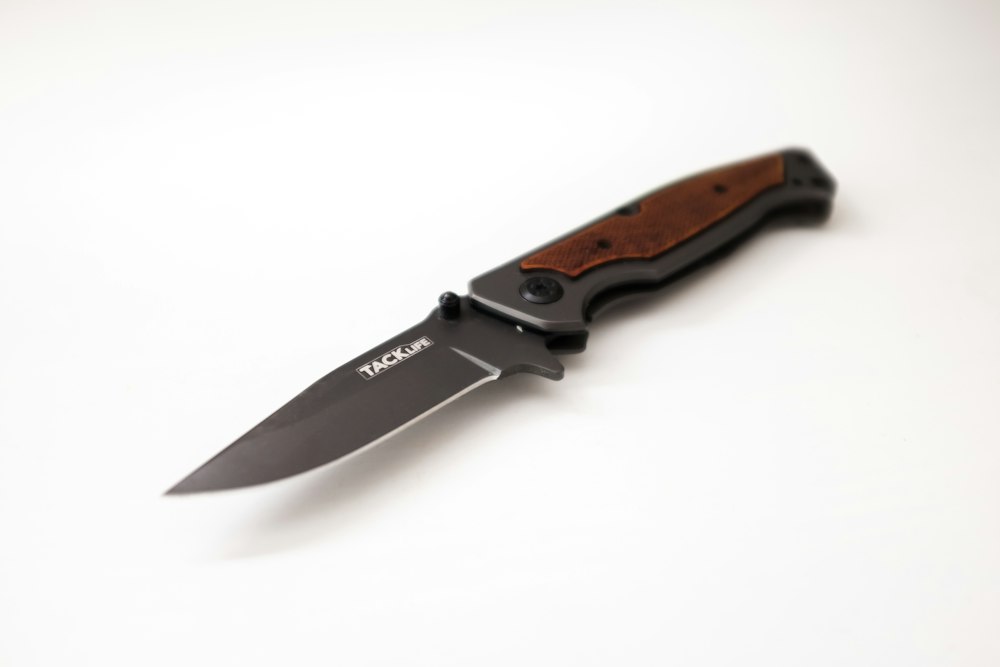
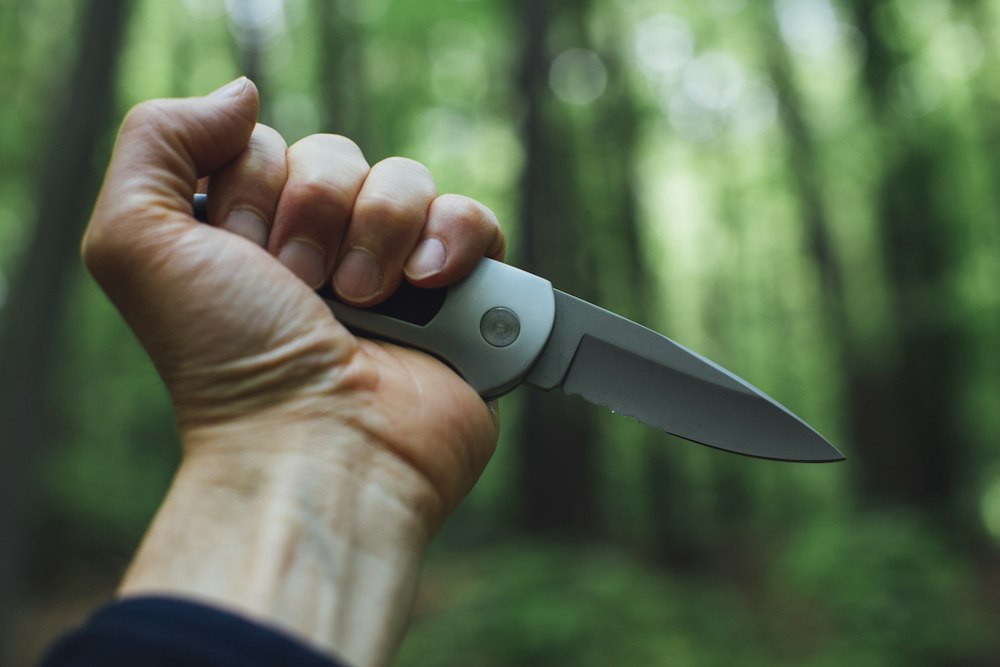
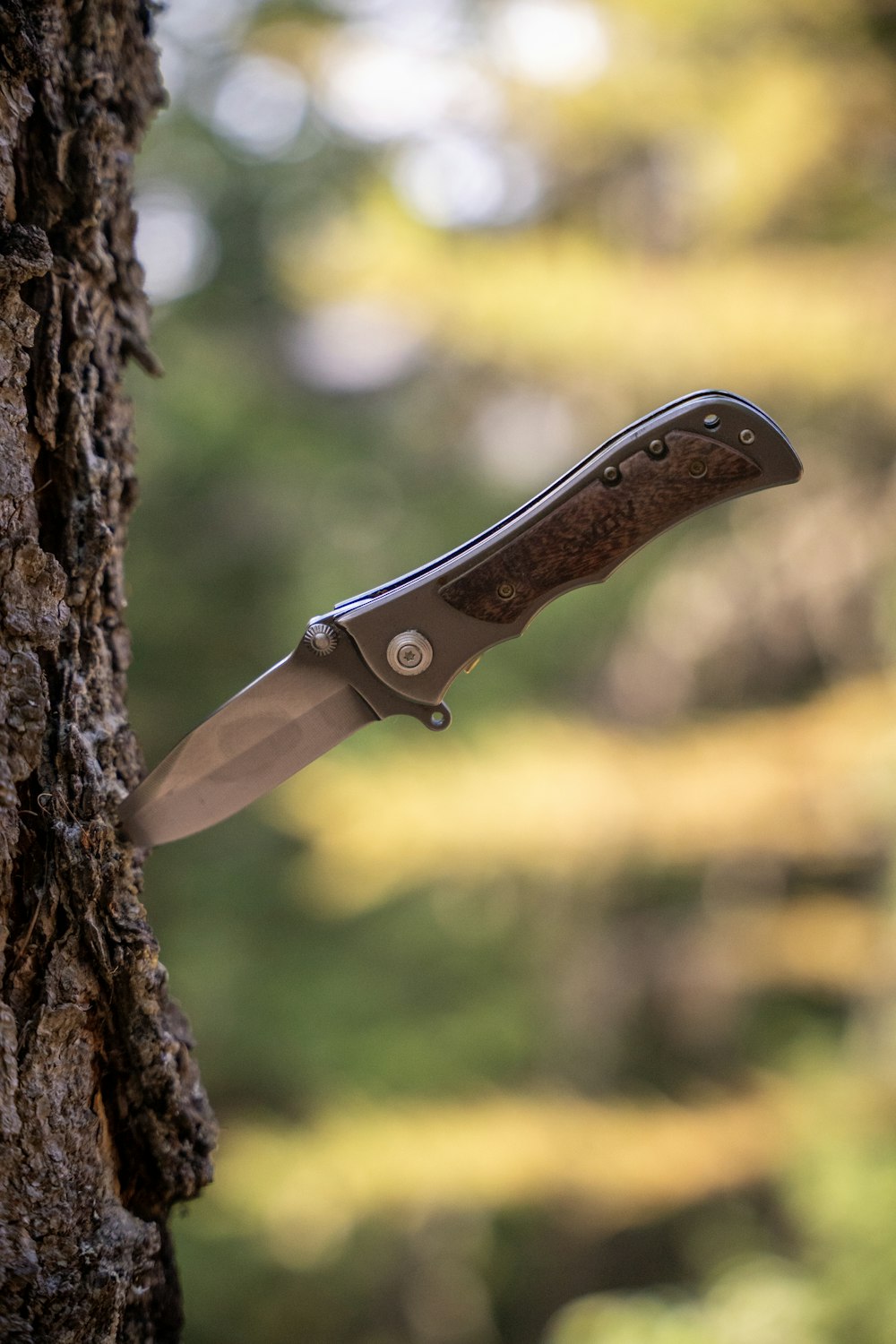
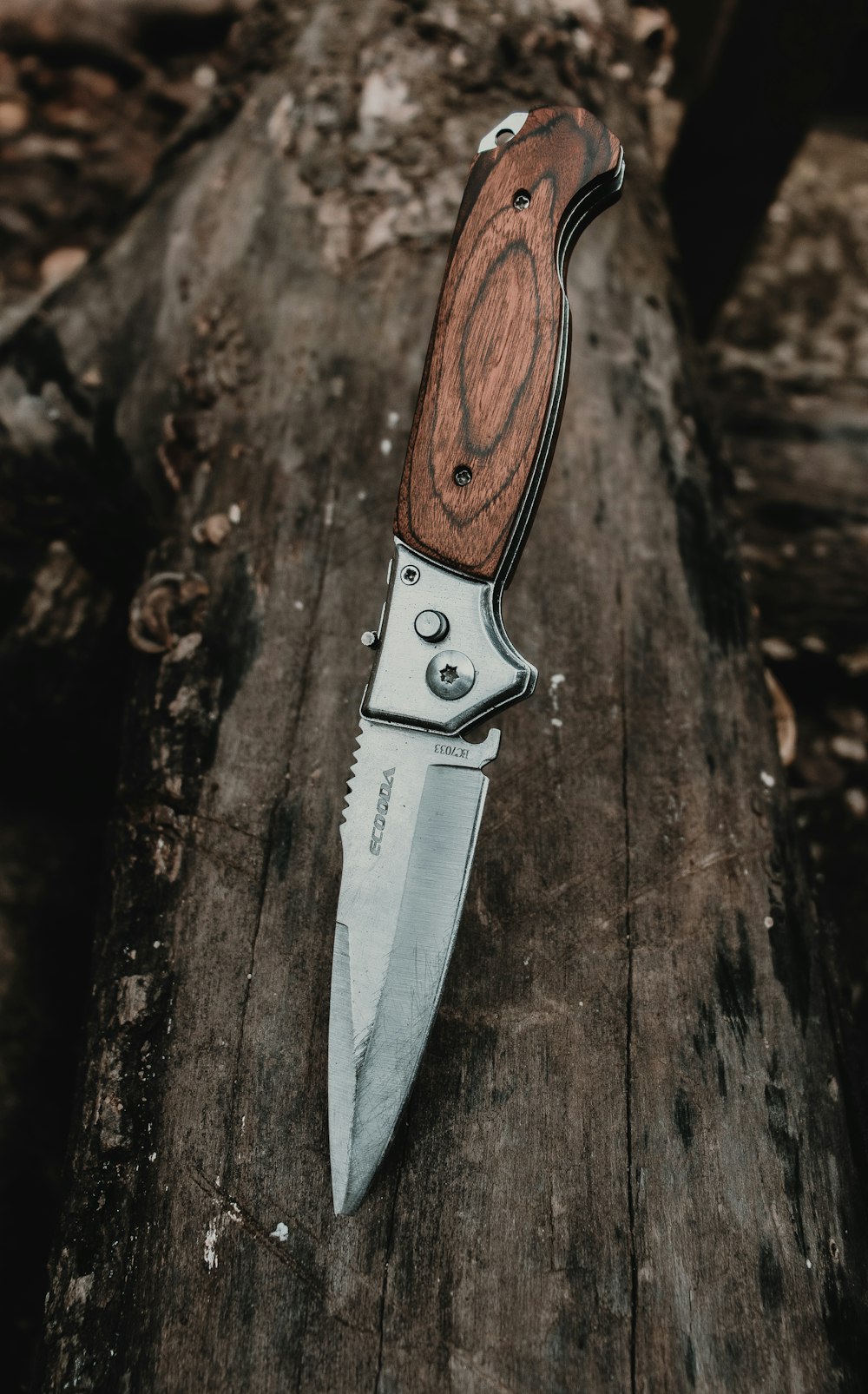
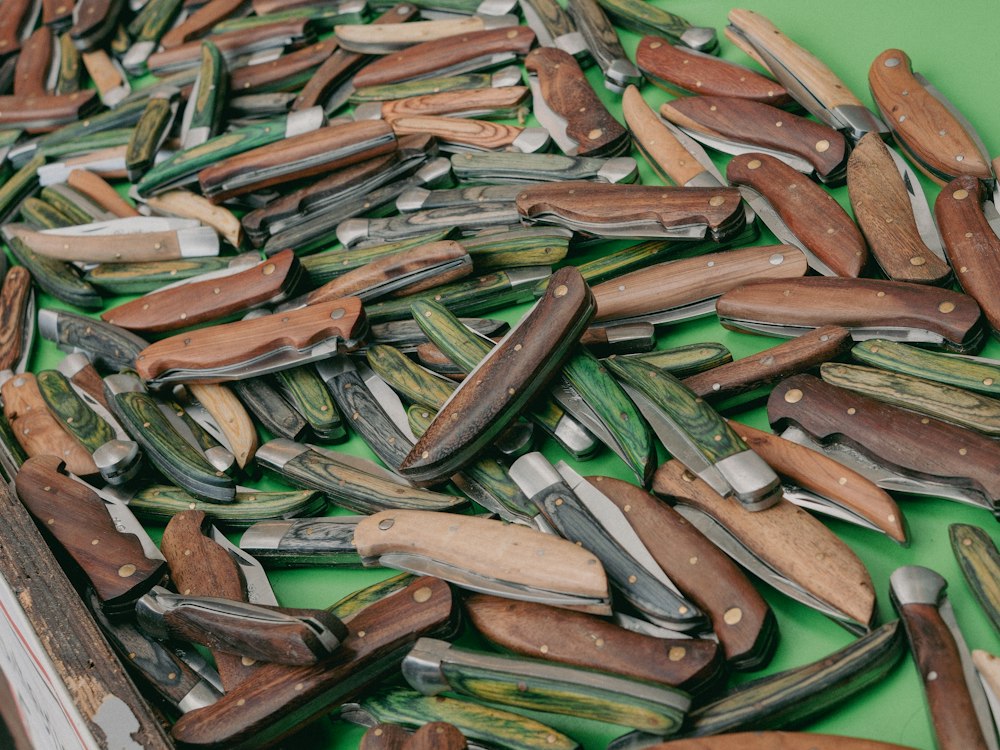
    A good pocket knife opens boxes, slices apples and handles a hundred small camp jobs. We chose the best for everyday carry, backpacking and first-time buyers, from $30 to collector-grade.

    HannahRev is reader-supported. When you buy through our links we may earn a commission, at no extra cost to you. Our picks are based on published specifications, hands-on reviews from trusted testers and owner feedback.

    Our picks at a glance

    Product Best for Price Blade Steel Lock Weight
    Kershaw Bel Air Best overall $140 3.1 in MagnaCut Crossbar-style 3.0 oz
    Benchmade Bugout CF-Elite Best for backpacking $200 3.2 in CPM-S30V Crossbar (AXIS) 1.9 oz
    Benchmade Osborne Best for enthusiasts $300 3.3 in S30V Crossbar (AXIS) 2.7 oz
    Benchmade Mini Griptilian Best compact knife $150 2.9 in S30V Crossbar (AXIS) 2.7 oz
    Spyderco Tenacious Best under $100 $97 3.4 in 8Cr13MoV Liner 4.0 oz
    Civivi Praxis Flipper Best under $50 $50 3.7 in 9Cr18MoV Liner 4.4 oz
    Gerber Zilch Best for first-time buyers $30 3.1 in 420HC stainless Liner 2.2 oz
    Kershaw Leek Best office-friendly carry $125 2.9 in 14C28N Frame 3.0 oz
    Kershaw Bel Air

    1. Kershaw Bel Air — Best overall

    Premium steel at a mid-range price. It holds an edge for a long time and rides low in your pocket.

    Specs: Blade: 3.1 in · Steel: MagnaCut · Lock: Crossbar-style · Weight: 3.0 oz · List price: $140

    Pros:

    • Tough, rust-resistant blade
    • Deep-carry clip

    Cons:

    • Slick handle when wet
    Benchmade Bugout CF-Elite

    2. Benchmade Bugout CF-Elite — Best for backpacking

    Ultralight backpackers’ favorite knife. It’s a real working blade that weighs almost nothing.

    Specs: Blade: 3.2 in · Steel: CPM-S30V · Lock: Crossbar (AXIS) · Weight: 1.9 oz · List price: $200

    Pros:

    • Full-size blade under 2 oz
    • Easy to clean and sharpen

    Cons:

    • Expensive
    Benchmade Osborne

    3. Benchmade Osborne — Best for enthusiasts

    A classic design that knife collectors keep coming back to. It’s beautiful, but it’s also a great user.

    Specs: Blade: 3.3 in · Steel: S30V · Lock: Crossbar (AXIS) · Weight: 2.7 oz · List price: $300

    Pros:

    • Excellent steel
    • Elegant reverse-tanto design

    Cons:

    • High price
    Benchmade Mini Griptilian

    4. Benchmade Mini Griptilian — Best compact knife

    A smaller knife that still feels substantial in hand. It’s a reliable everyday carry knife.

    Specs: Blade: 2.9 in · Steel: S30V · Lock: Crossbar (AXIS) · Weight: 2.7 oz · List price: $150

    Pros:

    • Compact
    • Secure, grippy handle

    Cons:

    • Harder to sharpen
    Spyderco Tenacious

    5. Spyderco Tenacious — Best under $100

    A big, capable blade that’s easy to open with the thumb hole. It’s an excellent first ‘real’ knife.

    Specs: Blade: 3.4 in · Steel: 8Cr13MoV · Lock: Liner · Weight: 4.0 oz · List price: $97

    Pros:

    • Very sharp out of the box
    • Great value

    Cons:

    • Bulky for daily carry
    Civivi Praxis Flipper

    6. Civivi Praxis Flipper — Best under $50

    Quality build at a budget price. It’s a strong choice for camp chores.

    Specs: Blade: 3.7 in · Steel: 9Cr18MoV · Lock: Liner · Weight: 4.4 oz · List price: $50

    Pros:

    • Affordable
    • Durable blade
    • Smooth flipper action

    Cons:

    • Harder to sharpen
    Gerber Zilch

    7. Gerber Zilch — Best for first-time buyers

    A simple, light knife that’s easy to carry. It’s perfect for someone buying their first pocket knife.

    Specs: Blade: 3.1 in · Steel: 420HC stainless · Lock: Liner · Weight: 2.2 oz · List price: $30

    Pros:

    • Slim and light
    • Inexpensive

    Cons:

    • Steel can rust
    Kershaw Leek

    8. Kershaw Leek — Best office-friendly carry

    A sleek, slim knife that looks right at the office. Assisted opening makes it quick to deploy.

    Specs: Blade: 2.9 in · Steel: 14C28N · Lock: Frame · Weight: 3.0 oz · List price: $125

    Pros:

    • Very comfortable to carry
    • Discreet look

    Cons:

    • Thin tip is fragile

    How to choose pocket knives

    Blade steel

    Premium steels like S30V and MagnaCut hold an edge much longer. Budget steels (8Cr, 420) are easier to sharpen but dull and rust faster.

    Lock type

    Liner and frame locks are simple and common. Crossbar locks (like Benchmade’s AXIS) are smooth and ambidextrous.

    Size and weight

    A 3 in blade covers most tasks. Under 3 oz disappears in a pocket.

    Local laws

    Check blade-length and opening-mechanism rules where you live and travel before you carry.

    FAQ

    What’s the best steel for a pocket knife?

    For most people, a mid-to-premium stainless steel like 14C28N, S30V or MagnaCut offers a good mix of edge retention and rust resistance.

    How often should I sharpen?

    Touch up the edge when it stops slicing paper cleanly. A few passes on a ceramic rod usually does it.

  • The Best Portable Power Stations of 2026

    The Best Portable Power Stations of 2026

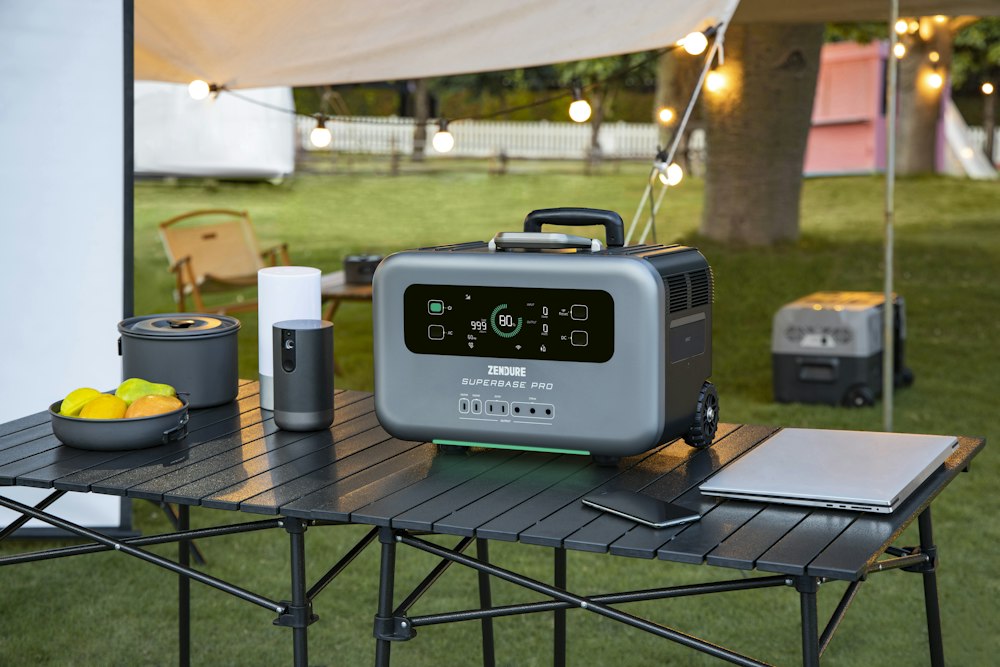
    A power station is a big rechargeable battery with outlets. It can run a camp fridge, charge laptops off-grid or keep essentials running during an outage. Here’s how to pick the right size, and the models we recommend.

    HannahRev is reader-supported. When you buy through our links we may earn a commission, at no extra cost to you. Our picks are based on published specifications, hands-on reviews from trusted testers and owner feedback.

    Our picks at a glance

    Product Best for Price Capacity AC output Weight
    Jackery Explorer 2000 v2 Best for off-grid camping $1,499 2,042 Wh 2,200 W 38.9 lb
    EcoFlow DELTA Pro 3 Best for home backup $3,699 4,096 Wh 4,000 W 114.1 lb
    Anker SOLIX C1000 Gen 2 Best value $799 1,056 Wh 1,800 W 25.2 lb
    Jackery Explorer 300 Best for phones and laptops $289 293 Wh 300 W 7.1 lb
    Jackery Explorer 2000 v2

    1. Jackery Explorer 2000 v2 — Best for off-grid camping

    Plenty of capacity for a long weekend with a fridge, lights and devices. It also has enough output to run a kettle or induction burner.

    Specs: Capacity: 2,042 Wh · AC output: 2,200 W · Weight: 38.9 lb · List price: $1,499

    Pros:

    • Long runtimes
    • Runs high-draw appliances

    Cons:

    • Heavy at about 39 lb
    EcoFlow DELTA Pro 3

    2. EcoFlow DELTA Pro 3 — Best for home backup

    Closer to a home battery than a camping gadget. It can keep critical circuits running through a long outage.

    Specs: Capacity: 4,096 Wh · AC output: 4,000 W · Weight: 114.1 lb · List price: $3,699

    Pros:

    • Huge capacity
    • Expands up to 48 kWh

    Cons:

    • Extremely heavy
    • Expensive
    Anker SOLIX C1000 Gen 2

    3. Anker SOLIX C1000 Gen 2 — Best value

    The right size for most people: enough for a weekend of camping or an evening blackout, and light enough to carry.

    Specs: Capacity: 1,056 Wh · AC output: 1,800 W · Weight: 25.2 lb · List price: $799

    Pros:

    • Compact for its capacity
    • Very fast recharge

    Cons:

    • Noisy fan
    Jackery Explorer 300

    4. Jackery Explorer 300 — Best for phones and laptops

    A lunchbox-size battery for keeping phones, cameras and a laptop charged at camp.

    Specs: Capacity: 293 Wh · AC output: 300 W · Weight: 7.1 lb · List price: $289

    Pros:

    • Light and portable
    • Great for devices

    Cons:

    • Only for low-wattage gear

    How to choose portable power stations

    Capacity (Wh)

    Add up what you’ll power. A 50 W laptop for 10 hours needs about 500 Wh. Expect about 80–85% of the rated capacity in real use.

    Output (W)

    Small units (300–500 W) charge phones and laptops. Around 1,500 W runs a coffee maker or electric cooler. 3,000 W+ is for tools and home backup.

    Battery chemistry

    LiFePO4 batteries last thousands of cycles and are ideal for frequent use in vans and RVs. NMC is lighter but wears out sooner.

    Solar charging

    A useful rule of thumb is about 200 W of panels for every 1,000 Wh of battery, with 4–6 good sun hours a day.

    FAQ

    Can a power station run a fridge?

    Yes. A 12V camp fridge uses roughly 40–60 W while running, so a 1,000 Wh unit can handle about a day or more.

    Is a power station the same as a generator?

    No. It’s a silent, fume-free battery, safe to use indoors. You recharge it rather than refuel it.

  • The Best Water Bottles of 2026

    The Best Water Bottles of 2026

    A good bottle should keep drinks the right temperature, never leak in your bag and be easy to clean. We sorted out the best options for hiking, commuting and everyday use.

    HannahRev is reader-supported. When you buy through our links we may earn a commission, at no extra cost to you. Our picks are based on published specifications, hands-on reviews from trusted testers and owner feedback.

    Our picks at a glance

    Product Best for Price Material Insulated
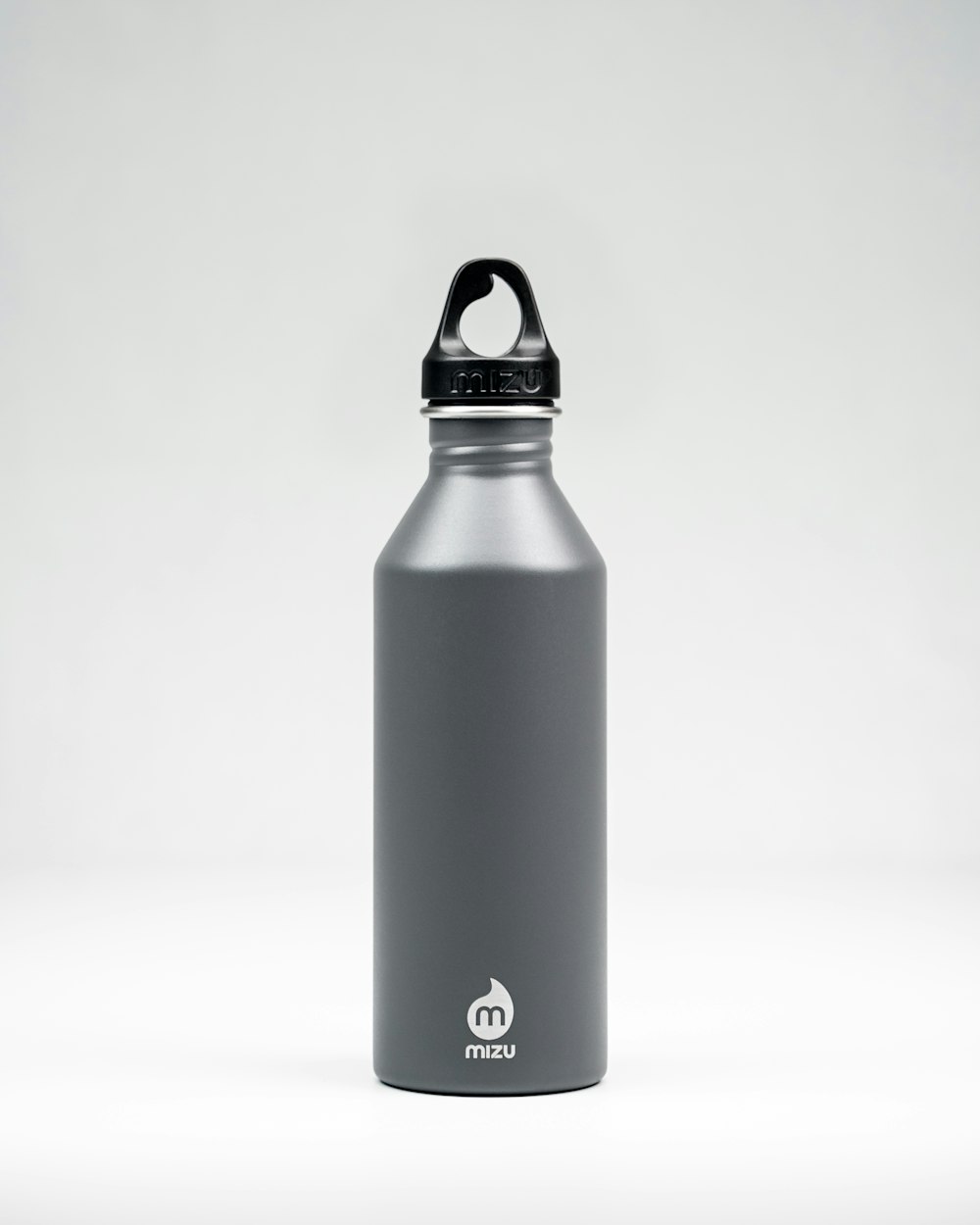
    Hydro Flask Wide Mouth Best overall $40 Stainless steel Yes
    Nalgene Wide-Mouth Best value $17 Tritan Renew plastic No
    Yeti Rambler 26 Most durable $40 Stainless steel Yes
    Owala FreeSip Sway Best straw bottle $35 Stainless steel Yes
    Stanley Quencher H2.0 FlowState Best for commuters $45 Stainless steel Yes
    Purifyou Premium Glass Best glass bottle $30 Borosilicate glass No
    Hydro Flask Wide Mouth

    1. Hydro Flask Wide Mouth — Best overall

    The bottle that made insulated steel popular. It’s durable and easy to clean, and you can swap lids for every use.
    Specs: Material: Stainless steel · Insulated: Yes · List price: $40

    Pros:

    • Excellent insulation
    • Lots of compatible lids

    Cons:

    • Plastic straw can taste slightly of plastic
    Nalgene Wide-Mouth

    2. Nalgene Wide-Mouth — Best value

    The backpacker’s standard. It’s light, tough and compatible with many water filters.

    Specs: Material: Tritan Renew plastic · Insulated: No · List price: $17

    Pros:

    • Light and nearly indestructible
    • Cheap
    • Fits most filters

    Cons:

    • Not insulated
    Yeti Rambler 26

    3. Yeti Rambler 26 — Most durable

    Built to survive being dropped off a tailgate. It’s heavy, but it lasts.

    Specs: Material: Stainless steel · Insulated: Yes · List price: $40

    Pros:

    • Rugged build
    • Leakproof cap

    Cons:

    • Heavy
    • Pricey
    Owala FreeSip Sway

    4. Owala FreeSip Sway — Best straw bottle

    The clever dual-mode lid is why this bottle is everywhere. It’s great for desks, cars and the gym.

    Specs: Material: Stainless steel · Insulated: Yes · List price: $35

    Pros:

    • Sip through the straw or tip and chug
    • Fits most cup holders

    Cons:

    • Harder to clean
    Stanley Quencher H2.0 FlowState

    5. Stanley Quencher H2.0 FlowState — Best for commuters

    A big tumbler that keeps ice for hours and fits a car cup holder. It’s best for desks and drives, not backpacks.


    Specs: Material: Stainless steel · Insulated: Yes · List price: $45

    Pros:

    • Big capacity with a handle
    • Reusable straw

    Cons:

    • Expensive
    • Not leakproof when tipped
    Purifyou Premium Glass

    6. Purifyou Premium Glass — Best glass bottle

    For people who want water to taste like water. The silicone sleeve adds grip and protects the glass.

    Specs: Material: Borosilicate glass · Insulated: No · List price: $30

    Pros:

    • Thick glass with a protective sleeve
    • No flavor transfer

    Cons:

    • Small mouth

    How to choose water bottles

    Material

    Stainless steel is durable and keeps drinks cold for about a day. Plastic (Tritan) is light and cheap. Glass tastes cleanest but breaks.

    Insulation

    Double-wall vacuum bottles hold temperature for hours but weigh more. Single-wall bottles are lighter and fine for the trail.

    Lid and mouth

    Wide mouths are easy to fill and clean. Straw and chug lids are convenient but have more parts to scrub.

    Size

    Most adults need roughly 3–4 liters of fluid a day; a 24–32 oz bottle means fewer refills.

    FAQ

    How often should I wash my water bottle?

    Daily, with warm soapy water or the dishwasher if it’s dishwasher-safe. Don’t forget the lid and straw.

    Are plastic bottles safe?

    BPA-free Tritan bottles are widely used. If you’re concerned about plastics, choose steel or glass.

  • The Best Backpacking Tents of 2026

    The Best Backpacking Tents of 2026

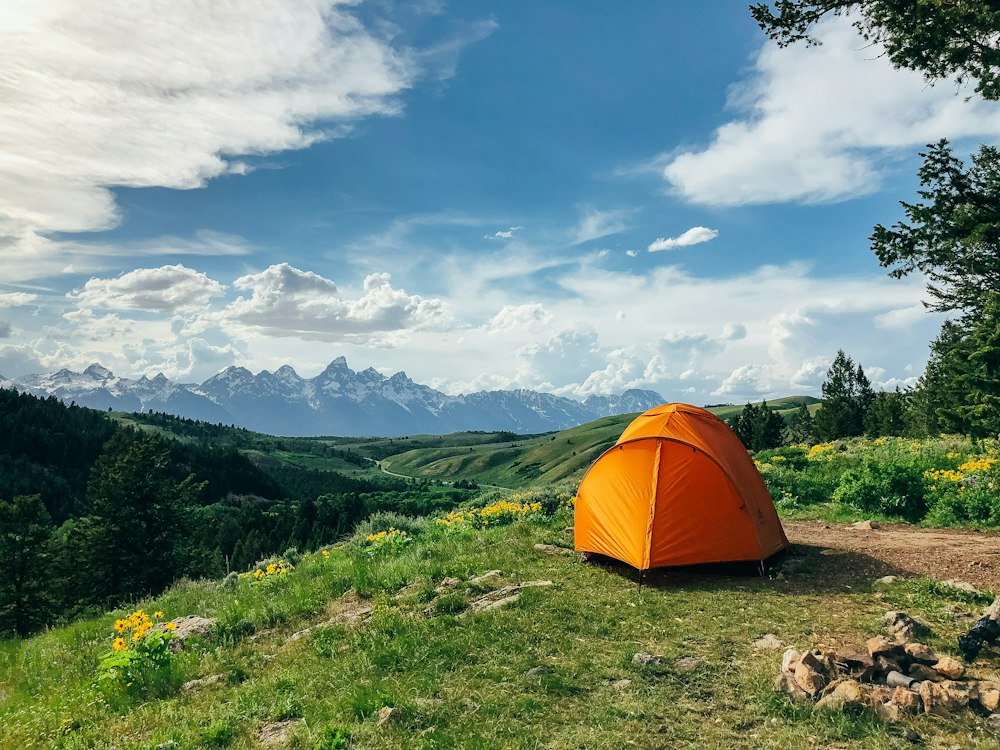
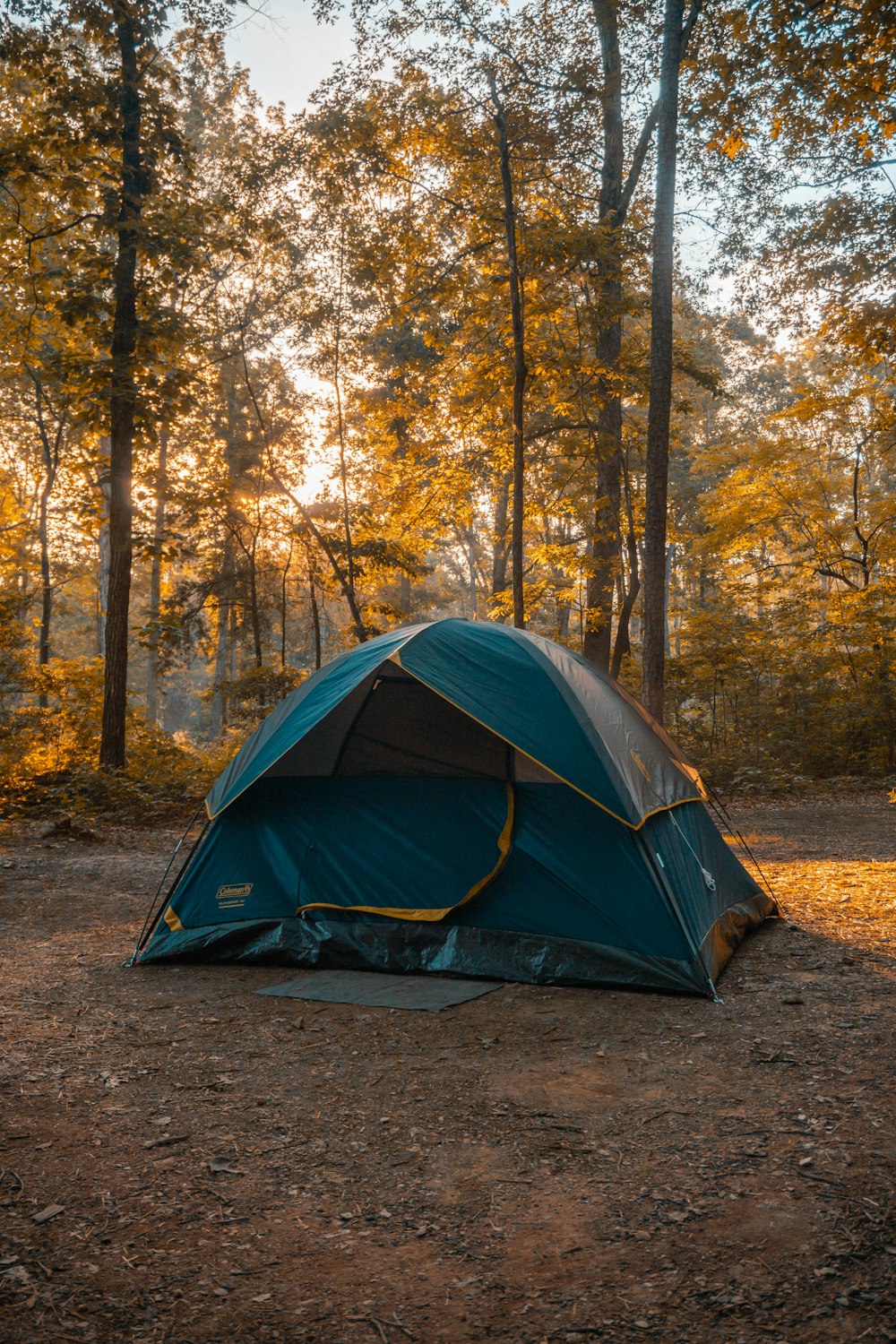
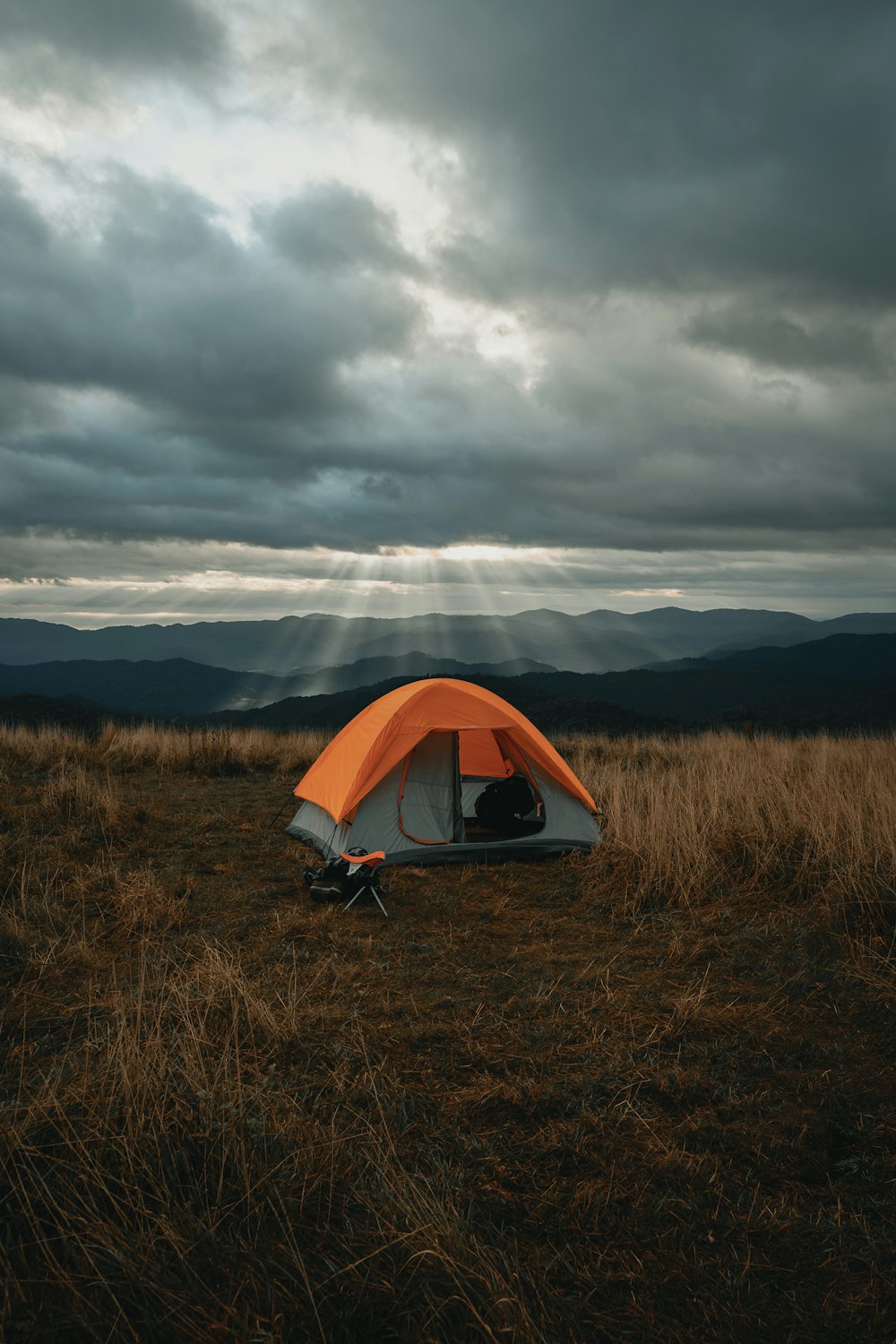
    Your tent is your home on the trail and usually one of the heaviest items in your pack. We picked tents that balance weight, livable space and weather protection, from a featherweight two-person shelter to a roomy family-friendly three-person.

    HannahRev is reader-supported. When you buy through our links we may earn a commission, at no extra cost to you. Our picks are based on published specifications, hands-on reviews from trusted testers and owner feedback.

    Our picks at a glance

    Product Best for Price Trail weight Capacity Doors Freestanding
    Big Agnes Copper Spur UL3 Best overall $650 3.28 lb 3 person 2 Yes
    REI Co-op Half Dome 3 Most livable $399 5.11 lb 3 person 2 Yes
    The North Face Stormbreak 3 Best value $260 6.2 lb 3 person 2 Yes
    Big Agnes Copper Spur UL2 Best lightweight $600 2.56 lb 2 person 2 Yes
    Big Agnes Copper Spur UL3

    1. Big Agnes Copper Spur UL3 — Best overall

    Room for two people and their gear, or three friends, at a weight that’s easy to split. A favorite among backpackers for years.

    Specs: Trail weight: 3.28 lb · Capacity: 3 person · Doors: 2 · Freestanding: Yes · List price: $650

    Pros:

    • Lighter than many 2-person tents
    • Excellent weather protection
    • Two doors and big vestibules

    Cons:

    • Expensive
    REI Co-op Half Dome 3

    2. REI Co-op Half Dome 3 — Most livable

    Steep walls and a generous floor make this feel like a much bigger tent. It’s great for families and shorter trips.

    Specs: Trail weight: 5.11 lb · Capacity: 3 person · Doors: 2 · Freestanding: Yes · List price: $399

    Pros:

    • Genuinely roomy for three
    • Durable materials
    • Easy to pitch

    Cons:

    • Heavy and bulky
    The North Face Stormbreak 3

    3. The North Face Stormbreak 3 — Best value

    A solid, affordable starter tent. It’s heavier than premium options, but it’s built to last.

    Specs: Trail weight: 6.2 lb · Capacity: 3 person · Doors: 2 · Freestanding: Yes · List price: $260

    Pros:

    • Affordable
    • Sturdy build

    Cons:

    • Tight for three adults
    • Heavy
    Big Agnes Copper Spur UL2

    4. Big Agnes Copper Spur UL2 — Best lightweight

    The two-person version of our top pick. It’s an excellent solo tent with room to spare, or a cozy one for two.

    Specs: Trail weight: 2.56 lb · Capacity: 2 person · Doors: 2 · Freestanding: Yes · List price: $600

    Pros:

    • Very light
    • Packs to about two paper-towel rolls

    Cons:

    • Pricey for a 2-person

    How to choose backpacking tents

    Capacity

    Advertised capacity is snug. Two adults are much happier in a 3-person tent, and solo hikers often prefer a 2-person.

    Weight

    Under 4 lb for a 2–3 person tent is excellent. Tents over 5 lb are fine for short trips and car camping.

    Freestanding or not

    Freestanding tents pitch anywhere, even on rock. Semi-freestanding designs save weight but need stakes.

    Doors and vestibules

    Two doors mean no crawling over your partner. Bigger vestibules keep boots and packs dry.

    Ventilation and floor

    More mesh means less condensation but less warmth. Thin floors save weight; add a footprint for rough ground.

    FAQ

    What’s a good weight for a backpacking tent?

    About 2–3 lb per person is a comfortable target. Ultralight tents go lower but trade off durability or space.

    Do I need a footprint?

    With thin, light floors, a footprint (or a cheap sheet of polycryo) adds a lot of life to the tent.

  • The Best Portable Grills of 2026

    The Best Portable Grills of 2026

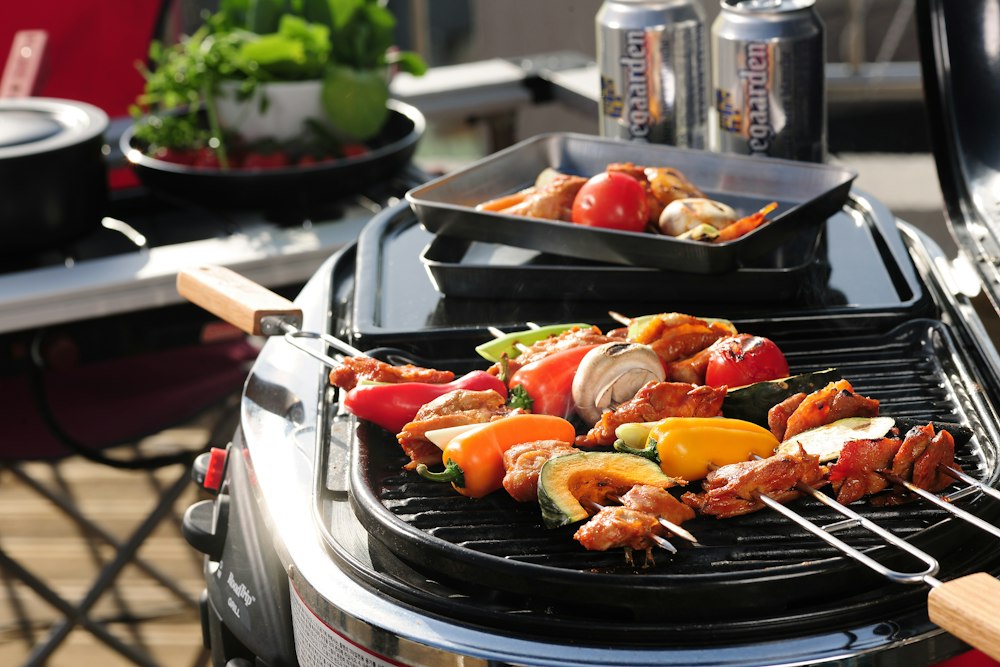
    Tailgates, campsites, beach days and small patios all deserve real grilled food. We compared propane, charcoal and electric portable grills on cooking space, heat control and how annoying they are to carry.

    HannahRev is reader-supported. When you buy through our links we may earn a commission, at no extra cost to you. Our picks are based on published specifications, hands-on reviews from trusted testers and owner feedback.

    Our picks at a glance

    Product Best for Price Weight Fuel Cooking area
    Weber Traveler Best overall $449 49 lb Propane 390 sq in
    Cuisinart CGG-306 Chef’s Style Best value $225 22 lb Propane 275 sq in
    Cuisinart Grillster Best budget pick $150 10 lb Propane (1 lb) 148 sq in
    Ninja Woodfire Outdoor Grill & Smoker Best electric grill $350 31 lb Electric + wood pellets —
    Weber Q 1200 Best tabletop grill $279 31 lb Propane 189 sq in
    Weber Go-Anywhere Charcoal Best charcoal grill $90 14.9 lb Charcoal 140 sq in
    Weber Traveler

    1. Weber Traveler — Best overall

    A full-size grilling experience that collapses into a cart. It’s the best choice for tailgaters and families who drive to camp.

    Specs: Weight: 49 lb · Fuel: Propane · Cooking area: 390 sq in · List price: $449

    Pros:

    • Folds and rolls one-handed like a stroller
    • Porcelain-enameled cast-iron grates
    • Built-in lid thermometer

    Cons:

    • Heavy
    • Large footprint
    • Expensive
    Cuisinart CGG-306 Chef's Style

    2. Cuisinart CGG-306 Chef’s Style — Best value

    A lot of grill for the money. Dual burners make it easy to sear on one side and keep food warm on the other.

    Specs: Weight: 22 lb · Fuel: Propane · Cooking area: 275 sq in · Output: 20,000 BTU · List price: $225

    Pros:

    • Two burners for two-zone cooking
    • Big cooking surface
    • Stainless steel body

    Cons:

    • Wobbly legs
    • Grease tray can spill in transport
    Cuisinart Grillster

    3. Cuisinart Grillster — Best budget pick

    A compact grill that slips into a car trunk or a camp kitchen box. It’s best for burgers and dogs for two to four people.

    Specs: Weight: 10 lb · Fuel: Propane (1 lb) · Cooking area: 148 sq in · List price: $150

    Pros:

    • Very light
    • Gets hot fast for searing
    • Locking lid stores the fuel

    Cons:

    • Struggles at low temperatures
    • Small cooking area
    Ninja Woodfire Outdoor Grill & Smoker

    4. Ninja Woodfire Outdoor Grill & Smoker — Best electric grill

    An electric grill that adds real wood-smoke flavor. It’s ideal for balconies and RV sites with power hookups.

    Specs: Weight: 31 lb · Fuel: Electric + wood pellets · Cooking area: — · List price: $350

    Pros:

    • Grills, smokes and air-fries
    • Meat probe built in
    • Sealed hood resists wind

    Cons:

    • Heavy
    • Needs an outlet
    • Uses Ninja pellets
    Weber Q 1200

    5. Weber Q 1200 — Best tabletop grill

    A proven tabletop grill with excellent heat. It’s the classic choice for picnic tables and small patios.

    Specs: Weight: 31 lb · Fuel: Propane · Cooking area: 189 sq in · List price: $279

    Pros:

    • Cast-iron grates
    • Even heat from the U-shaped burner
    • Folding side tables

    Cons:

    • Heavy to carry
    • No lid latch
    • Runs hot on low
    Weber Go-Anywhere Charcoal

    6. Weber Go-Anywhere Charcoal — Best charcoal grill

    A tough little charcoal box that’s been around for decades for good reason. Cheap, durable and great for beach cookouts.

    Specs: Weight: 14.9 lb · Fuel: Charcoal · Cooking area: 140 sq in · List price: $90

    Pros:

    • Deep, rectangular coal bed
    • Light and sturdy
    • Low price

    Cons:

    • Hot vents need gloves
    • Manual temperature control
    • Small

    How to choose portable grills

    Fuel type

    Propane is the easiest: instant on, easy to control. Charcoal tastes great and is cheap, but takes longer and needs more care. Electric grills need an outlet but work where flames aren’t allowed.

    Cooking area

    About 150 sq in feeds two to three people. Around 250–400 sq in handles a family or a tailgate crowd.

    Weight and folding

    Under 15 lb is easy for one person to carry. Grills with folding legs or carts make heavier models manageable.

    Grates and burners

    Cast-iron grates hold heat and sear well. Two burners let you set up a hot and a cool zone.

    FAQ

    Can I use a portable grill on a balcony?

    Many buildings ban propane and charcoal. Check your lease and local fire code; an electric grill is often allowed.

    Do portable grills use small propane tanks?

    Most run on 1-lb cylinders and can use a 20-lb tank with an adapter hose.

  • The Best Men’s Fleece Jackets of 2026

    The Best Men’s Fleece Jackets of 2026

    Fleece is the workhorse layer: warm when it’s damp, breathable when you’re moving, and cheap to replace compared with down. We picked the best jackets for hiking, travel and everyday wear, from technical grid fleece to a $30 classic.

    HannahRev is reader-supported. When you buy through our links we may earn a commission, at no extra cost to you. Our picks are based on published specifications, hands-on reviews from trusted testers and owner feedback.

    Our picks at a glance

    Product Best for Price Weight Type Pockets Fabric
    Patagonia R1 Air Full-Zip Hoody Best overall $199 12.4 oz Midweight 3 100% recycled polyester
    Arc’teryx Kyanite Lightweight Hoody Best lightweight fleece $150 10.8 oz Lightweight 2 Polyester / nylon / elastane
    REI Co-op Trailmade Fleece Best budget everyday fleece $70 13.0 oz Midweight 4 Nylon body, spandex trim
    Rab Ascendor Light Hoody Most breathable $130 10.3 oz Lightweight 3 Polyester / elastane grid
    Mountain Hardwear Summit Grid Hoody Best pullover $99 10.9 oz Lightweight 1 kangaroo 100% polyester grid
    Amazon Essentials Full-Zip Polar Fleece Best value $29 15.7 oz Midweight 2 100% polyester
    Patagonia R1 Air Full-Zip Hoody

    1. Patagonia R1 Air Full-Zip Hoody — Best overall

    A modern take on a classic climber’s layer. The hollow-core fleece traps heat when you stop and dries fast when you sweat, so it works from spring hikes to ski days.

    Specs: Weight: 12.4 oz · Type: Midweight · Pockets: 3 · Fabric: 100% recycled polyester · List price: $199

    Pros:

    • Comfortable enough for all-day wear
    • Layers well year-round
    • Dries quickly

    Cons:

    • Can run warm on hard climbs
    • Face fabric pills over time
    Arc'teryx Kyanite Lightweight Hoody

    2. Arc’teryx Kyanite Lightweight Hoody — Best lightweight fleece

    A stretchy, smooth-faced fleece that looks sharp enough for town and travels well. It’s lighter than most hoodies with a similar warmth.

    Specs: Weight: 10.8 oz · Type: Lightweight · Pockets: 2 · Fabric: Polyester / nylon / elastane · List price: $150

    Pros:

    • Soft brushed interior
    • Four-way stretch
    • Packs small for travel

    Cons:

    • No chest pocket
    • Slim fit
    REI Co-op Trailmade Fleece

    3. REI Co-op Trailmade Fleece — Best budget everyday fleece

    An easy-to-wear fleece for campfires, errands and short walks. It’s not the most technical layer, but the price is right.

    Specs: Weight: 13.0 oz · Type: Midweight · Pockets: 4 · Fabric: Nylon body, spandex trim · List price: $70

    Pros:

    • Affordable
    • Soft and good-looking
    • Plenty of pockets

    Cons:

    • Not very breathable
    • Hard to layer over
    Rab Ascendor Light Hoody

    4. Rab Ascendor Light Hoody — Most breathable

    A grid fleece built for moving fast. Wear it as your active layer on cold mornings, and add a puffy when you stop.

    Specs: Weight: 10.3 oz · Type: Lightweight · Pockets: 3 · Fabric: Polyester / elastane grid · List price: $130

    Pros:

    • Dumps heat on fast climbs
    • Precise, athletic fit
    • Hood fits under a helmet

    Cons:

    • Not very warm on its own
    Mountain Hardwear Summit Grid Hoody

    5. Mountain Hardwear Summit Grid Hoody — Best pullover

    A cozy pullover hoodie with technical grid fleece inside. It’s a good fit for people who want one layer for both hiking and hanging out.

    Specs: Weight: 10.9 oz · Type: Lightweight · Pockets: 1 kangaroo · Fabric: 100% polyester grid · List price: $99

    Pros:

    • Very comfortable
    • Layers easily
    • Packable

    Cons:

    • Modest warmth
    • No zippered pockets
    Amazon Essentials Full-Zip Polar Fleece

    6. Amazon Essentials Full-Zip Polar Fleece — Best value

    The no-frills fleece everyone should own a spare of. It’s not technical, but for $30 it keeps you warm around camp and town.

    Specs: Weight: 15.7 oz · Type: Midweight · Pockets: 2 · Fabric: 100% polyester · List price: $29

    Pros:

    • Exceptional price
    • Soft against skin
    • Moves well

    Cons:

    • Bunches under layers
    • Doesn’t breathe much

    How to choose men’s fleece jackets

    Weight class

    Lightweight grid fleece (about 10 oz) is for active layering under a shell. Midweight fleece (12–16 oz) is warmer for camp and town.

    Breathability

    Grid and air-style fleeces vent heat on climbs. Smooth-faced or wind-resistant fabrics are warmer but get clammy when you work hard.

    Fit and hood

    A trim fit layers better under a rain jacket. A snug hood adds a lot of warmth for very little weight.

    Pockets

    Hand pockets plus a chest pocket are ideal for phones and snacks. Some technical pieces skip pockets to save weight.

    FAQ

    Is fleece warm enough on its own?

    Midweight fleece is fine down to the 40s °F on a calm day. Add a wind or rain shell when it’s breezy.

    Does fleece pill?

    Most fleeces pill a little over time. Washing inside out on cold and air drying slows it down.

  • The Best Camping Mattresses of 2026

    The Best Camping Mattresses of 2026

    Car camping is supposed to be the comfortable kind of camping, yet a thin pad can ruin the whole trip. A good camping mattress gives you thickness, warmth from the cold ground, and a surface you won’t slide off at 2 a.m. Here are our picks for solo sleepers, couples and people who sleep in their vehicles.

    HannahRev is reader-supported. When you buy through our links we may earn a commission, at no extra cost to you. Our picks are based on published specifications, hands-on reviews from trusted testers and owner feedback.

    Our picks at a glance

    Product Best for Price Weight Thickness R-value Size
    Therm-a-Rest MondoKing 3D Best overall $290 5.3 lb 4.3 in 7 80 × 30 in
    Lost Horizon Air & Foam 4.5" Single Best value $130 9 lb 4.5 in 13 80 × 29.5 in
    Exped MegaMat Duo Best for two people $450 9.7 lb 4 in 8.1 78 × 53 in
    Coleman Cozy Best packable budget pick $100 2.6 lb 3.5 in 3+ 74 × 24 in
    HomeMate CertiPUR-US Foam Cheapest comfortable option $67 9 lb 3 in N/A 75 × 30 in
    Exped MegaMat Auto Best for sleeping in your car $450 8.5 lb 4 in 8.1 76 × 52/36 in
    NEMO Roamer Double Lighter double option $400 6.6 lb 4 in 7 78 × 42 in
    Therm-a-Rest MondoKing 3D

    1. Therm-a-Rest MondoKing 3D — Best overall

    The closest thing to your bed at home that still fits in a car trunk. Vertical sidewalls mean the whole surface is usable, not just the middle.

    Specs: Weight: 5.3 lb · Thickness: 4.3 in · R-value: 7 · Size: 80 × 30 in · List price: $290

    Pros:

    • Four-plus inches of plush foam
    • Fast valves and an included pump sack
    • Warm enough for cold nights

    Cons:

    • Bulky once rolled
    • Couples need two
    Lost Horizon Air & Foam 4.5" Single

    2. Lost Horizon Air & Foam 4.5" Single — Best value

    A hybrid mattress with a very high R-value at a mid-range price. It’s heavy, but if the car carries it, you won’t care.

    Specs: Weight: 9 lb · Thickness: 4.5 in · R-value: 13 · Size: 80 × 29.5 in · List price: $130

    Pros:

    • Thick and very warm
    • Storage bag doubles as the pump
    • Comfortable balance of air and foam

    Cons:

    • Heavy
    • Hard to pack down
    Exped MegaMat Duo

    3. Exped MegaMat Duo — Best for two people

    One mattress for two adults, with no gap down the middle. It also earns its keep as a spare bed when family visits.

    Specs: Weight: 9.7 lb · Thickness: 4 in · R-value: 8.1 · Size: 78 × 53 in · List price: $450

    Pros:

    • Real double-bed width
    • Works as a guest bed at home
    • Firm, supportive structure

    Cons:

    • Very bulky
    • Expensive
    Coleman Cozy

    4. Coleman Cozy — Best packable budget pick

    A small, light inflatable that’s easy to toss in any vehicle. It’s best for warm-weather trips and smaller sleepers.

    Specs: Weight: 2.6 lb · Thickness: 3.5 in · R-value: 3+ · Size: 74 × 24 in · List price: $100

    Pros:

    • Light and compact
    • Raised edges keep you from rolling off

    Cons:

    • Narrow
    • Not very warm
    • Fabric picks up dirt
    HomeMate CertiPUR-US Foam

    5. HomeMate CertiPUR-US Foam — Cheapest comfortable option

    A plain foam topper you can throw in the back of the car. Comfy and cheap, but it’s a summer mattress.

    Specs: Weight: 9 lb · Thickness: 3 in · R-value: N/A · Size: 75 × 30 in · List price: $67

    Pros:

    • Soft memory-foam feel
    • No pumping, just unroll
    • Low price

    Cons:

    • Huge when packed
    • Little insulation from cold ground
    Exped MegaMat Auto

    6. Exped MegaMat Auto — Best for sleeping in your car

    Shaped for the back of an SUV or wagon. If car camping means sleeping inside the car, this is the one to beat.

    Specs: Weight: 8.5 lb · Thickness: 4 in · R-value: 8.1 · Size: 76 × 52/36 in · List price: $450

    Pros:

    • Tapered shape fits SUV cargo areas
    • Bridges gaps between folded seats
    • Quick to inflate and pack

    Cons:

    • Expensive
    • Less versatile outside a vehicle
    NEMO Roamer Double

    7. NEMO Roamer Double — Lighter double option

    A double mattress that won’t wreck your back carrying it from the car. It’s best for couples who don’t mind sleeping close.

    Specs: Weight: 6.6 lb · Thickness: 4 in · R-value: 7 · Size: 78 × 42 in · List price: $400

    Pros:

    • Soft brushed top
    • Lighter than most doubles
    • Deflates quickly

    Cons:

    • Fine-tuning firmness is fiddly
    • Snug for two adults

    How to choose camping mattresses

    Thickness

    Three to four inches of loft is where most side sleepers stop feeling the ground. Self-inflating foam mats feel the most like a real bed.

    R-value (warmth)

    R-value measures insulation from the ground. R 3 is fine for summer; aim for R 6 or higher for spring and fall nights.

    Air, foam or hybrid

    Air mattresses pack smaller and are lighter. Foam and self-inflating mats are quieter, warmer and less bouncy, but they take more room in the car.

    Size

    Measure your tent floor or cargo area before buying a double. Wide mats over 50 in may not fit smaller tents.

    FAQ

    What R-value do I need for camping?

    R 2–3 for warm summer nights, R 4–5 for three-season use, and R 6+ for cold shoulder seasons or winter.

    Can I use a camping mattress for backpacking?

    Usually not. Most weigh 3–10 lb. Backpacking pads weigh 1–2 lb but are thinner.

  • The Best Backpacking Chairs of 2026

    The Best Backpacking Chairs of 2026

    A camp chair is the one luxury most hikers stop apologizing for after the first night. The trick is matching seat height, weight and packed size to how far you actually carry it. These are our picks, from 2-ounce foam pads to tall, cushy loungers for car camping.

    HannahRev is reader-supported. When you buy through our links we may earn a commission, at no extra cost to you. Our picks are based on published specifications, hands-on reviews from trusted testers and owner feedback.

    Our picks at a glance

    Product Best for Price Weight Seat height Capacity Packed size
    Big Agnes Skyline UL Best overall $200 29.0 oz 10 in 275 lb 17 × 4 × 3.5 in
    Crazy Creek Hex 2.0 Best ground seat with a backrest $70 19.3 oz Ground level 250 lb 16 × 3 × 4 in
    Moon Lence Backpacking Chair Best budget chair $40 38.6 oz 8 in 400 lb 13 × 4.5 × 5.5 in
    Therm-a-Rest Z Seat Best for ultralight hikers $35 1.8 oz 0.5 in — 13 × 2.5 × 2.5 in
    Big Agnes Skyline UL Stool Best backpacking stool $150 19.0 oz 12 in 250 lb 12.5 × 3 × 3 in
    Big Agnes Big Six Most comfortable for car camping $250 51.0 oz 12 in 300 lb 21.5 × 5.5 × 5.5 in
    Helinox Chair Zero LT Lightest full chair $160 16.6 oz 10 in 265 lb 13.5 × 4 × 4 in
    NEMO Moonlite Elite Reclining Best reclining chair $190 21.6 oz 11 in 250 lb 13 × 4 × 4 in
    REI Co-op Flexlite Air Good value lightweight chair $100 16.9 oz 7.5 in 250 lb 14.3 × 4.5 × 4.5 in
    Big Agnes Skyline UL

    1. Big Agnes Skyline UL — Best overall

    The Skyline UL hits the sweet spot between comfort and carry weight. The seat sits you down into it rather than perched on top, and the wide stance keeps it from tipping when you reach for the stove.

    Specs: Weight: 29.0 oz · Seat height: 10 in · Capacity: 275 lb · Packed size: 17 × 4 × 3.5 in · List price: $200

    Pros:

    • Deep, bucket-style seat that cradles your back
    • Splayed legs feel planted on uneven ground
    • Generous 275 lb rating

    Cons:

    • Heavier than the ultralight crowd
    • A few extra steps to assemble
    Crazy Creek Hex 2.0

    2. Crazy Creek Hex 2.0 — Best ground seat with a backrest

    A clever folding seat with strap-tensioned back support. There are no poles to lose, which is why it has a loyal following among paddlers and long-distance hikers.

    Specs: Weight: 19.3 oz · Seat height: Ground level · Capacity: 250 lb · Packed size: 16 × 3 × 4 in · List price: $70

    Pros:

    • Unfolds and is ready in seconds
    • Tough, simple build with nothing to break
    • Doubles as a sit pad on the trail

    Cons:

    • You sit right on the ground
    • Not the lightest backrest option
    Moon Lence Backpacking Chair

    3. Moon Lence Backpacking Chair — Best budget chair

    If you mostly car camp or hike a mile to the lake, this is a lot of chair for the money. Just don’t plan on hauling it up a mountain.

    Specs: Weight: 38.6 oz · Seat height: 8 in · Capacity: 400 lb · Packed size: 13 × 4.5 × 5.5 in · List price: $40

    Pros:

    • Very low price
    • Handy side pockets
    • Square base is stable and rated to 400 lb

    Cons:

    • Too heavy for long trips
    • Fabric stiffens with use and is awkward to pack
    Therm-a-Rest Z Seat

    4. Therm-a-Rest Z Seat — Best for ultralight hikers

    A folded foam pad that keeps your backside dry and warm. It weighs less than a granola bar and it’s the seat most thru-hikers actually carry.

    Specs: Weight: 1.8 oz · Seat height: 0.5 in · Capacity: — · Packed size: 13 × 2.5 × 2.5 in · List price: $35

    Pros:

    • Practically weightless
    • Durable closed-cell foam
    • Zero setup, works as a kneeling pad too

    Cons:

    • No backrest
    • You’re sitting on the ground
    Big Agnes Skyline UL Stool

    5. Big Agnes Skyline UL Stool — Best backpacking stool

    A taller seat for people who mostly want to get off the ground while cooking or fishing. It packs small and feels more stable than most three-legged stools.

    Specs: Weight: 19.0 oz · Seat height: 12 in · Capacity: 250 lb · Packed size: 12.5 × 3 × 3 in · List price: $150

    Pros:

    • Wide, scooped seat
    • Surprisingly steady for a stool
    • Tall enough to stand up from easily

    Cons:

    • No backrest
    Big Agnes Big Six

    6. Big Agnes Big Six — Most comfortable for car camping

    This is the chair you bring when the car is parked fifty feet away. It’s too big for a backpack, but nothing on this list is more relaxing.

    Specs: Weight: 51.0 oz · Seat height: 12 in · Capacity: 300 lb · Packed size: 21.5 × 5.5 × 5.5 in · List price: $250

    Pros:

    • Tall back with a headrest
    • Roomy, deep seat
    • Feels like a living-room chair at camp

    Cons:

    • Expensive
    • Heavy and bulky
    • More involved setup
    Helinox Chair Zero LT

    7. Helinox Chair Zero LT — Lightest full chair

    The latest version of the chair that made ultralight seating mainstream. If you want a backrest without paying a big weight penalty, start here.

    Specs: Weight: 16.6 oz · Seat height: 10 in · Capacity: 265 lb · Packed size: 13.5 × 4 × 4 in · List price: $160

    Pros:

    • About a pound for a real chair
    • Packs about the size of a water bottle

    Cons:

    • Narrow feet can sink in soft ground
    NEMO Moonlite Elite Reclining

    8. NEMO Moonlite Elite Reclining — Best reclining chair

    A light chair with two back angles: sit up to eat, lean back to watch the stars. It’s one of the better compromises between weight and lounging.

    Specs: Weight: 21.6 oz · Seat height: 11 in · Capacity: 250 lb · Packed size: 13 × 4 × 4 in · List price: $190

    Pros:

    • Adjusts between upright and reclined
    • Packs small for the comfort

    Cons:

    • Pricey
    REI Co-op Flexlite Air

    9. REI Co-op Flexlite Air — Good value lightweight chair

    A budget-friendly take on the classic ultralight chair design. It weighs about the same as premium options for noticeably less money.

    Specs: Weight: 16.9 oz · Seat height: 7.5 in · Capacity: 250 lb · Packed size: 14.3 × 4.5 × 4.5 in · List price: $100

    Pros:

    • Light for the price
    • Simple hub-and-pole setup

    Cons:

    • Low seat

    How to choose backpacking chairs

    Weight vs. comfort

    Anything under about 20 oz is easy to justify on a backpacking trip. Chairs in the 30–50 oz range sit higher and support your back better, but they belong on short hikes, canoe trips and car camping.

    Seat height

    Ground-level seats (0–4 in) are the most stable and lightest. A 10–12 in seat is far easier to get in and out of, especially for taller people or anyone with stiff knees.

    Capacity and frame

    Check the rated capacity and look for a wide footprint or feet that spread the load. Narrow legs sink into sand and soft dirt.

    Packed size

    A chair that packs to roughly the size of a water bottle slides into a side pocket; longer packs usually have to ride inside your main compartment.

    FAQ

    Are backpacking chairs worth the weight?

    If you spend long evenings in camp, most people say yes. An ultralight option under 20 oz adds real comfort for the weight of a water bottle.

    Stool or chair?

    Stools are lighter and simpler, but you lose back support. If you like to lean back and read, get a chair with a backrest.