

Key takeaways
- Pack the NPS Ten Essentials on every hike, even a short one.
- In the mountains, plan to be off exposed terrain before early-afternoon thunderstorms.
- Children under 13 must wear a USCG-approved life jacket while a boat is underway, under federal law (state rules may differ).
The Ten Essentials
| Essential | What to pack |
|---|---|
| Navigation | Map, compass, GPS |
| Sun protection | Sunglasses, sunscreen, hat |
| Insulation | Jacket, hat, gloves, rain shell, extra layers |
| Illumination | Flashlight or headlamp |
| First aid | First-aid supplies |
| Fire | Matches or lighter and fire starters |
| Repair kit and tools | Duct tape, knife, multi-tool, scissors |
| Nutrition | Extra food |
| Hydration | Water and a way to treat more |
| Emergency shelter | Tent, space blanket, tarp or bivy |
The NPS suggests packing an extra layer for the worst conditions you could meet, and bright clothing so you are easier to spot. Long sleeves and pants cut sun exposure too. In heat, drink often, before you feel thirsty.[1]
Weather: plan around lightning
The National Weather Service is blunt: the only fully safe place in a thunderstorm is inside a building or a vehicle. Tents and picnic shelters do not protect you. Mountain storms often build in the early afternoon, so start early and plan to be down from exposed areas by around noon. A portable NOAA Weather Radio helps.[2]
Ticks and mosquitoes
- Use an EPA-registered repellent with DEET, picaridin, IR3535, oil of lemon eucalyptus, PMD or 2-undecanone; look for the EPA registration number on the label.[3]
- Using sunscreen as well? Put the sunscreen on first.[3]
- Treat clothing and gear with 0.5% permethrin, or buy pre-treated gear.[3]
- After the hike: check bodies and pets, shower within two hours, and tumble-dry dry clothes on high heat for 10 minutes (longer if damp).[3]
On the water: life jackets that fit
Federal law requires children under 13 to wear a U.S. Coast Guard-approved life jacket while a recreational boat is underway, with limited exceptions such as being below deck or in an enclosed cabin; state rules may differ.[4]
| Size | Weight range |
|---|---|
| Infant | Up to 33 lb |
| Child | 33–55 lb |
| Youth | 55–88 lb |
A foam jacket should fit snugly and not ride up over the chin or ears. Test foam jackets for buoyancy every year and replace any that are waterlogged or damaged.[4]
Grab-and-go pack
- Map and compass or GPS
- Sunscreen, hats, sunglasses
- Rain shell and an extra warm layer per person
- Headlamp, first-aid kit, fire starter, multi-tool
- Extra food and water plus treatment
- Emergency blanket
- EPA-registered insect repellent
- USCG-approved life jackets that fit, for any boating
Sources
Every figure in this guide comes from the official sources below. We summarize them in our own words; check the source for the full guidance.
- 1The Ten EssentialsNational Park Service
- 2Lightning Safety for Hikers and CampersNational Weather Service (NOAA)
- 3Preventing Tick BitesCenters for Disease Control and Prevention
- 4Life Jacket WearU.S. Coast Guard Boating Safety
This guide is general consumer information, not medical, legal or professional advice. Always follow the manufacturer’s instructions for your product. See our editorial policy and affiliate disclosure.
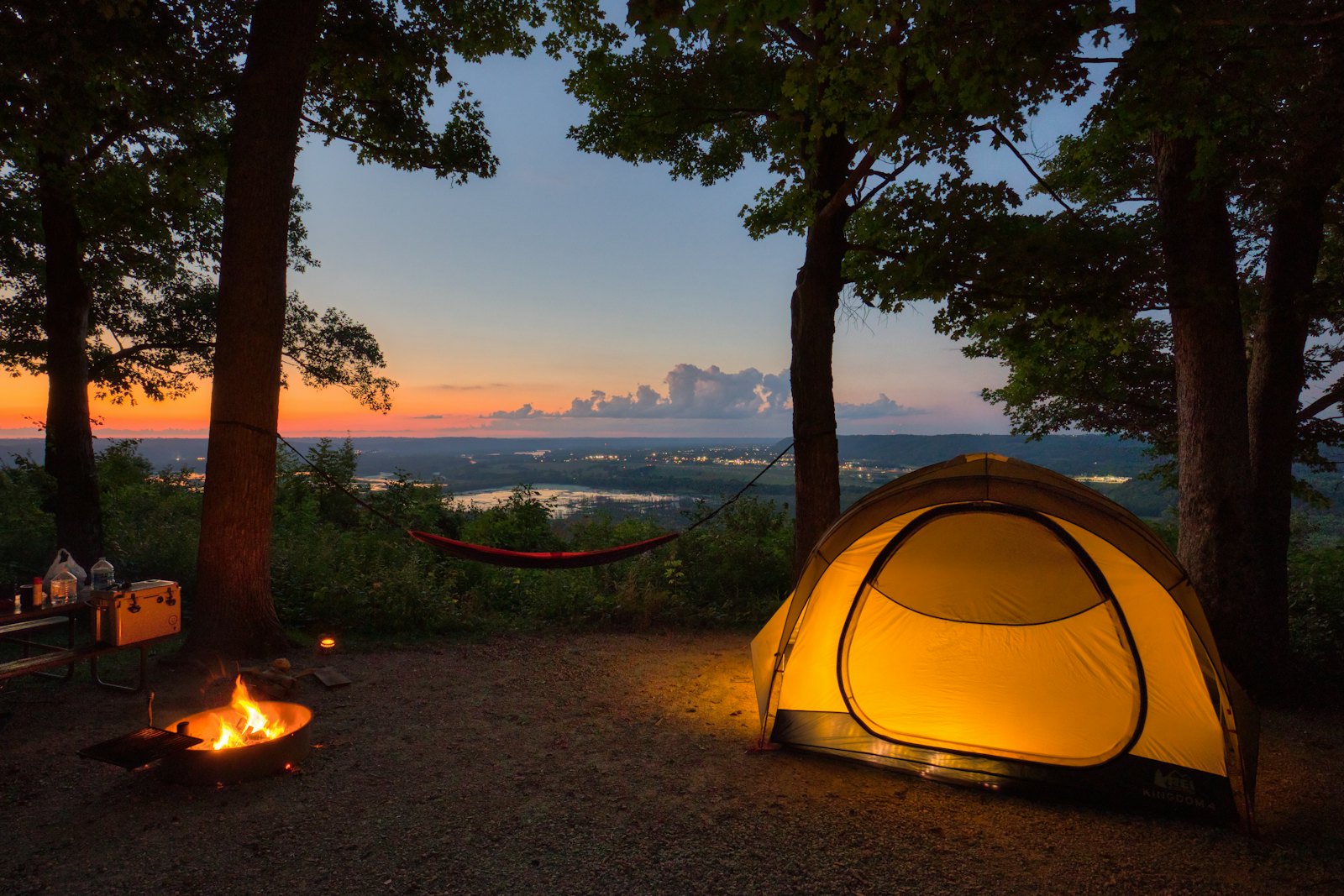
Photo: Dave Hoefler on Unsplash
Leave a Reply